In one sentence
Everything I know comes from experience; my mind started as a blank slate.
How someone from Empiricism might sum up what they believe. Our summary, not a quotation.
Key thinkers
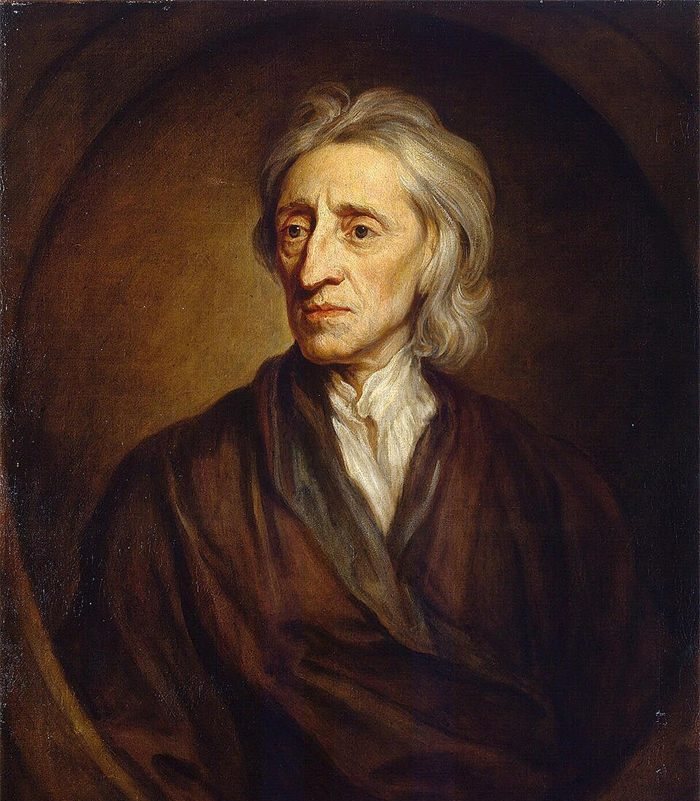
 John Locke1632–1704 · An Essay Concerning Human Understanding
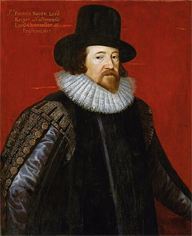 Francis Bacon1561–1626 · Novum Organum
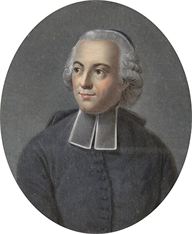 Étienne Bonnot de Condillac1714–1780 · Treatise on Sensations
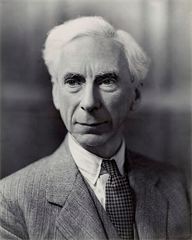 Bertrand Russell1872–1970 · Why I Am Not a Christian
Where it leans
About what is real and how we know. Positions are our estimates; philosophers argue about where many schools belong.
Most unusual position
64%On spirit or matter, it leans further toward matter than 64% of the 135 schools on the map.
Middle of all schools on the map: 39 · This school: 56 (0 = Spirit, 100 = Matter)
Most typical position
FactsOn facts (subjective or objective), it sits close to the middle of the schools on the map.
Middle of all schools on the map: 79 · This school: 81 (0 = subjective, 100 = objective)
Where it comes from
What came before Empiricism and led into it, and what grew out of it. Only links that historians agree on.
Came before it
- Aristotle (4th century BC)
- Francis Bacon, Novum Organum (1620)
Grew out of it
- George Berkeley (1710)
- David Hume (1739)
- John Stuart Mill (19th century)
- Logical Positivism (1920s to 1930s)
One thing to practise
A real practice from Empiricism, to try this week. Described in our words.
Name your idol
When you reach a judgement, check it against Bacon's four idols: a bias all humans share, one from your own background, one from loose use of words, and one borrowed from a school of thought you follow. Ask which of them is speaking.
From: Francis Bacon, Novum Organum (1620), book 1, aphorisms 38 to 44
Its strongest argument
The best case Empiricism makes against people who see the world very differently, in two sentences. People whose furthest school this is see it on their result.
A person born blind cannot form the idea of red, and no one can imagine a taste they have never tasted, which suggests every idea first came from the senses. So if you feel sure of something no one has ever seen, heard or measured, Locke would ask where that idea came from and whether it has earned your trust.
The argument in our own words, not a quotation.
Where it sits
On the maps
Each map puts two scales side by side. Each small square is a school, at its exact spot; its name shows where there is room. For the others, point at the square, or tap it once on a phone. The first, Reality & truth, puts spirit or matter across and subjective or objective up and down. Click a school, or tap it again, to open it.
Swipe sideways to see the whole chart.
Thinkers in this school
Pictured thinkers nearest this spot on the map
Neighbours on the map
The six schools closest to this one.
- StoicismLive by reason in line with nature: master what is in your control, accept the rest, and virtue is the only true good.
- FallibilismNo belief is ever beyond doubt, yet tested beliefs are still far better than untested ones.
- Classical liberalismLocke's and Smith's liberalism: each person owns their life, labour and property, so government should be limited, laws equal, and markets and speech free.
- AristotelianismStudy the world as it is; everything has a purpose, and a good life is a flourishing life built from virtuous habits.
- PanpsychismSome form of mind or experience is a basic feature of everything, not only of brains.
- Ordinary Language PhilosophyMid-20th-century Cambridge and Oxford method holding that many philosophical problems come from misusing words, and dissolve once we look closely at how language is ordinarily used.
And you, where do you stand?
Take the quiz and see your match with Empiricism and the other 134 schools.
Take the quiz