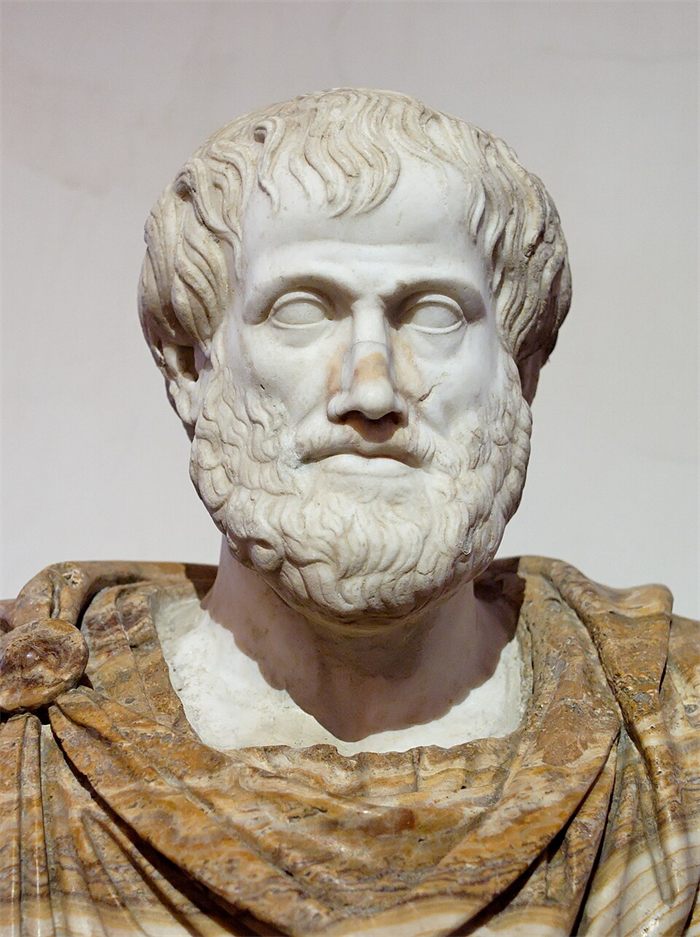
In one sentence
I study the world as it is: everything has a purpose, and a good life is a flourishing one built from virtuous habits.
How someone from Aristotelianism might sum up what they believe. Our summary, not a quotation.
Key thinkers
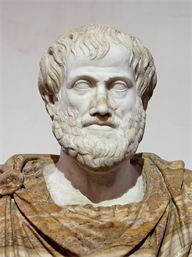 Aristotle384–322 BC · Nicomachean Ethics
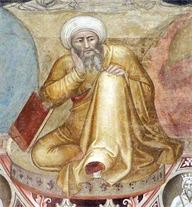 Averroes1126–1198 · The Incoherence of the Incoherence
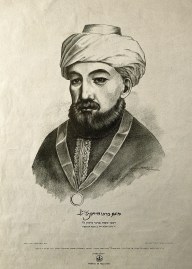 Maimonides1138–1204 · The Guide for the Perplexed
 Philippa Foot1920–2010 · Natural Goodness
Where it leans
A whole worldview, about both. Positions are our estimates; philosophers argue about where many schools belong.
Most unusual position
65%On spirit or matter, it leans further toward matter than 65% of the 135 schools on the map.
Middle of all schools on the map: 39 · This school: 60 (0 = Spirit, 100 = Matter)
Most typical position
Subjective or objectiveOn subjective or objective, it sits close to the middle of the schools on the map.
Middle of all schools on the map: 79 · This school: 85 (0 = Subjective, 100 = Objective)
Where it comes from
What came before Aristotelianism and led into it, and what grew out of it. Only links that historians agree on.
Grew out of it
- Averroes (12th century)
- Thomas Aquinas and Thomism (13th century)
- G. E. M. Anscombe, Modern Moral Philosophy (1958)
- Alasdair MacIntyre, After Virtue (1981)
One thing to practise
A real practice from Aristotelianism, to try this week. Described in our words.
Bend the stick the other way
Pick a trait where you tend to go too far, like being too blunt or too timid. This week lean on purpose towards the opposite side, the way you straighten a bent stick, since Aristotle says that is how you land near the middle.
From: Aristotle, Nicomachean Ethics, book 2, chapter 9
Its strongest argument
The best case Aristotelianism makes against people who see the world very differently, in two sentences. People whose furthest school this is see it on their result.
Everything that grows has a way of growing well, an acorn into a sound oak, and humans too have a nature, so a good life means developing reason, character and friendship through practice. So if you think a good life is whatever feels good right now, Aristotle would say a life, like an oak, is judged by its whole growth.
The argument in our own words, not a quotation.
Where it sits
On the maps
Each map puts two scales side by side. Each small square is a school, at its exact spot; its name shows where there is room. For the others, point at the square, or tap it once on a phone. The first, Reality & truth, puts spirit or matter across and subjective or objective up and down. Click a school, or tap it again, to open it.
Swipe sideways to see the whole chart.
Thinkers in this school
Pictured thinkers nearest this spot on the map
Neighbours on the map
The six schools closest to this one.
- EmpiricismAll knowledge comes from experience; the mind starts as a blank slate.
- StoicismLive by reason in line with nature: master what is in your control, accept the rest, and virtue is the only true good.
- Classical liberalismLocke's and Smith's liberalism: each person owns their life, labour and property, so government should be limited, laws equal, and markets and speech free.
- FallibilismNo belief is ever beyond doubt, yet tested beliefs are still far better than untested ones.
- Ordinary Language PhilosophyMid-20th-century Cambridge and Oxford method holding that many philosophical problems come from misusing words, and dissolve once we look closely at how language is ordinarily used.
- Common Sense RealismTrust the basic beliefs every sane person relies on, like the reality of the outside world and other minds.
And you, where do you stand?
Take the quiz and see your match with Aristotelianism and the other 134 schools.
Take the quiz