In one sentence
I untangle philosophical puzzles by looking carefully at how we actually use our words.
How someone from Ordinary Language Philosophy might sum up what they believe. Our summary, not a quotation.
Key thinkers
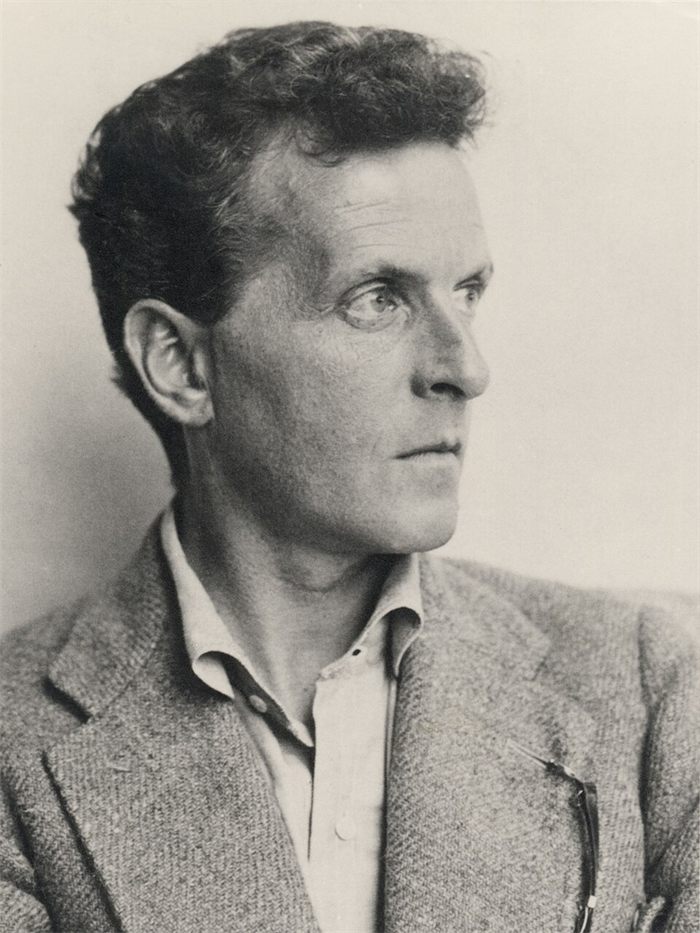
 Ludwig Wittgenstein1889–1951 · Philosophical Investigations
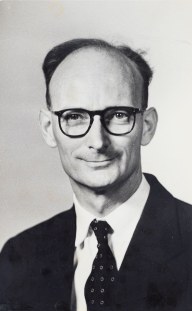 J. L. Austin1911–1960 · How to Do Things with Words
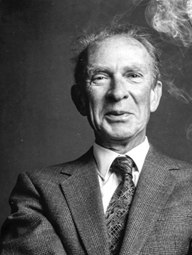 P. F. Strawson1919–2006 · Individuals: An Essay in Descriptive Metaphysics
Where it leans
About what is real and how we know. Positions are our estimates; philosophers argue about where many schools belong.
Most unusual position
65%On spirit or matter, it leans further toward matter than 65% of the 135 schools on the map.
Middle of all schools on the map: 39 · This school: 60 (0 = Spirit, 100 = Matter)
Most typical position
FactsOn facts (subjective or objective), it sits close to the middle of the schools on the map.
Middle of all schools on the map: 79 · This school: 75 (0 = subjective, 100 = objective)
Where it comes from
What came before Ordinary Language Philosophy and led into it, and what grew out of it. Only links that historians agree on.
Came before it
- Russell and Moore's method of analysis (around 1900)
- The 'ideal language' programme of logical atomism and logical positivism, which it reacted against
- Wittgenstein's return to Cambridge (1929)
Grew out of it
- Austin's speech act theory, How to Do Things with Words (lectures 1955, book 1962)
- Gellner's attack, Words and Things (1959)
- Decline as Grice revived systematic theories of meaning (late 1960s)
- Cavell and Searle (1969) and a later feminist revival
One thing to practise
A real practice from Ordinary Language Philosophy, to try this week. Described in our words.
Austin's word field (the dictionary 'family circle')
Pick a puzzling idea, such as an excuse or responsibility. Open a dictionary, list every word linked to it, then look up the words in their definitions, and repeat until the list starts to repeat. Then test close pairs, such as 'by mistake' and 'by accident', by imagining cases where only one of them fits; the differences show distinctions people have found worth making.
From: J. L. Austin, Oxford, 'A Plea for Excuses' (from his excuses seminar of the mid-1950s)
Its strongest argument
The best case Ordinary Language Philosophy makes against people who see the world very differently, in two sentences. People whose furthest school this is see it on their result.
Some philosophers say we never see real objects, only appearances, because any experience might be an illusion. But everyday language already marks the difference: we say a stick in water 'looks bent' and a broken stick 'is bent', so the argument only works by bending ordinary words. To the metaphysician it says: before building a theory, check whether your problem is really a misuse of language.
The argument in our own words, not a quotation.
Where it sits
On the maps
Each map puts two scales side by side. Each small square is a school, at its exact spot; its name shows where there is room. For the others, point at the square, or tap it once on a phone. The first, Reality & truth, puts spirit or matter across and subjective or objective up and down. Click a school, or tap it again, to open it.
Swipe sideways to see the whole chart.
Thinkers in this school
Pictured thinkers nearest this spot on the map
Neighbours on the map
The six schools closest to this one.
- EmpiricismAll knowledge comes from experience; the mind starts as a blank slate.
- PanpsychismSome form of mind or experience is a basic feature of everything, not only of brains.
- AristotelianismStudy the world as it is; everything has a purpose, and a good life is a flourishing life built from virtuous habits.
- FallibilismNo belief is ever beyond doubt, yet tested beliefs are still far better than untested ones.
- StoicismLive by reason in line with nature: master what is in your control, accept the rest, and virtue is the only true good.
- Classical liberalismLocke's and Smith's liberalism: each person owns their life, labour and property, so government should be limited, laws equal, and markets and speech free.
And you, where do you stand?
Take the quiz and see your match with Ordinary Language Philosophy and the other 134 schools.
Take the quiz