In one sentence
None of my beliefs is ever beyond doubt, yet tested beliefs are still far better than untested ones.
How someone from Fallibilism might sum up what they believe. Our summary, not a quotation.
Key thinkers
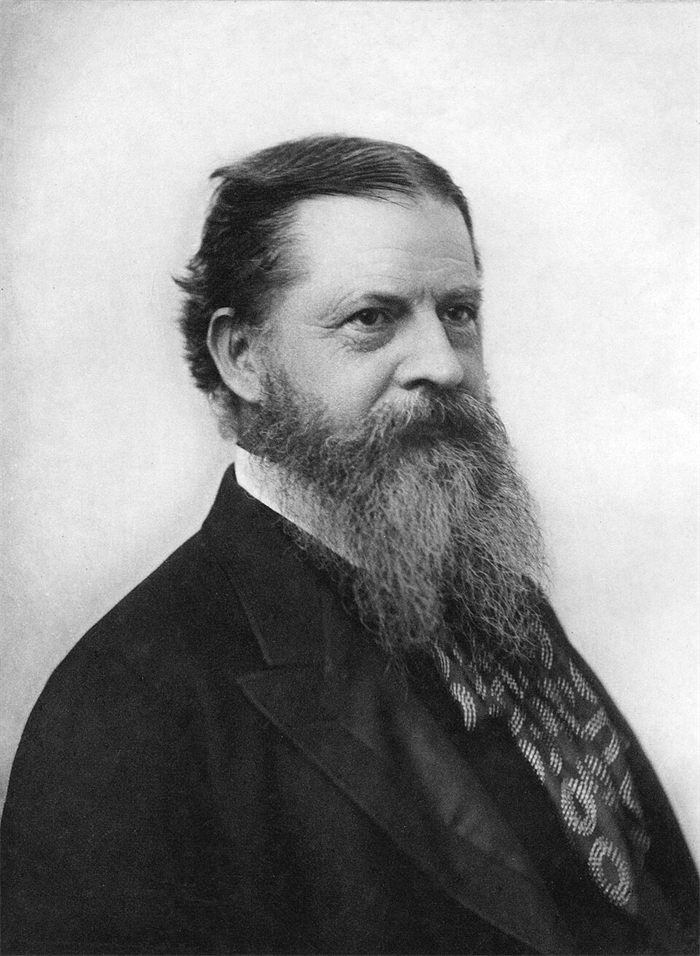
 Charles S. Peirce1839–1914 · "The Fixation of Belief"
 Susan Haack1945–2026 · Evidence and Inquiry
 Nicholas Rescher1928–2024 · A System of Pragmatic Idealism
Where it leans
About what is real and how we know. Positions are our estimates; philosophers argue about where many schools belong.
Most unusual position
61%On spirit or matter, it leans further toward matter than 61% of the 135 schools on the map.
Middle of all schools on the map: 39 · This school: 53 (0 = Spirit, 100 = Matter)
Most typical position
FactsOn facts (subjective or objective), it sits close to the middle of the schools on the map.
Middle of all schools on the map: 79 · This school: 82 (0 = subjective, 100 = objective)
Where it comes from
What came before Fallibilism and led into it, and what grew out of it. Only links that historians agree on.
Came before it
- Carneades and the Academic sceptics (2nd century BC)
- Charles S. Peirce, who named fallibilism (1890s)
Grew out of it
- William James and John Dewey (Pragmatism)
- Karl Popper (Critical Rationalism)
- W. V. O. Quine, Two Dogmas of Empiricism (1951)
One thing to practise
A real practice from Fallibilism, to try this week. Described in our words.
Do not block the way of inquiry
When you catch yourself saying a matter is settled for good, or can never be known, stop and name one way it could still be looked into. Peirce treated closing off a question as the one thing reason must never do.
From: Charles S. Peirce, The First Rule of Logic, Cambridge lectures (1898); Collected Papers 1.135
Its strongest argument
The best case Fallibilism makes against people who see the world very differently, in two sentences. People whose furthest school this is see it on their result.
Newton's physics was the best tested theory in the world for two hundred years and still proved wrong at its edges, so feeling certain has never been a reliable sign that a belief is true. So if you hold some beliefs as beyond question, a fallibilist asks why you are surer of them than physicists once were of Newton.
The argument in our own words, not a quotation.
Where it sits
On the maps
Each map puts two scales side by side. Each small square is a school, at its exact spot; its name shows where there is room. For the others, point at the square, or tap it once on a phone. The first, Reality & truth, puts spirit or matter across and subjective or objective up and down. Click a school, or tap it again, to open it.
Swipe sideways to see the whole chart.
Thinkers in this school
Pictured thinkers nearest this spot on the map
Neighbours on the map
The six schools closest to this one.
- Classical liberalismLocke's and Smith's liberalism: each person owns their life, labour and property, so government should be limited, laws equal, and markets and speech free.
- StoicismLive by reason in line with nature: master what is in your control, accept the rest, and virtue is the only true good.
- PanpsychismSome form of mind or experience is a basic feature of everything, not only of brains.
- EmpiricismAll knowledge comes from experience; the mind starts as a blank slate.
- AristotelianismStudy the world as it is; everything has a purpose, and a good life is a flourishing life built from virtuous habits.
- CypherpunkPrivacy and freedom will not be granted by governments or companies, so people must protect them themselves by building and using strong cryptography.
And you, where do you stand?
Take the quiz and see your match with Fallibilism and the other 134 schools.
Take the quiz