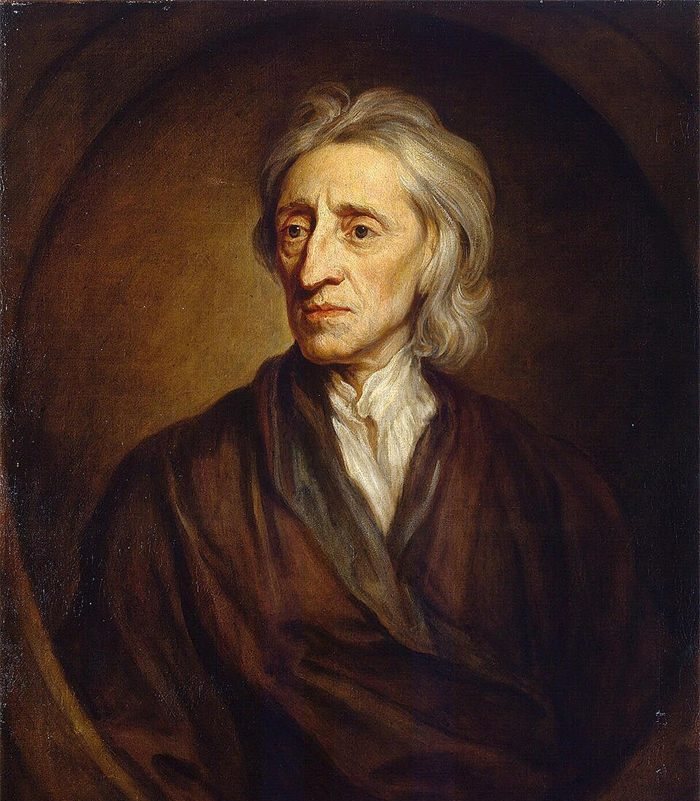
In one sentence
I want a small government that protects my rights and my property and otherwise leaves me free to trade, speak and live as I choose.
How someone from Classical liberalism might sum up what they believe. Our summary, not a quotation.
Key thinkers
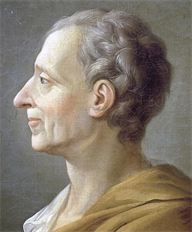 Montesquieu1689–1755 · The Spirit of the Laws
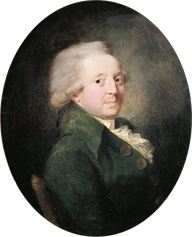 Marquis de Condorcet1743–1794 · Sketch for a Historical Picture of the Progress of the Human Mind
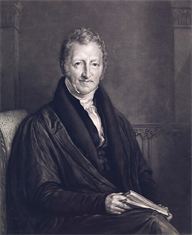 Thomas Robert Malthus1766–1834 · An Essay on the Principle of Population
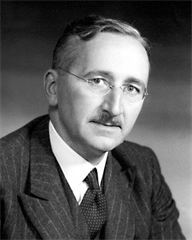 Friedrich Hayek1899–1992 · The Road to Serfdom
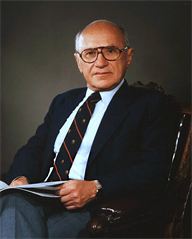 Milton Friedman1912–2006 · Capitalism and Freedom
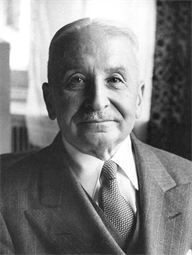 Ludwig von Mises1881–1973 · Human Action: A Treatise on Economics
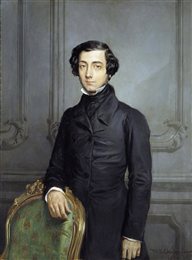 Alexis de Tocqueville1805–1859 · Democracy in America
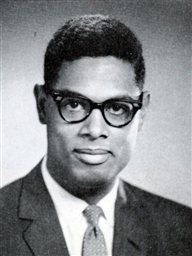 Thomas Sowellborn 1930 · A Conflict of Visions: Ideological Origins of Political Struggles
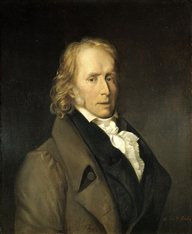 Benjamin Constant1767–1830 · The Liberty of the Ancients Compared with that of the Moderns
Where it leans
About right, wrong and how to live. Positions are our estimates; philosophers argue about where many schools belong.
Most unusual position
59%On spirit or matter, it leans further toward matter than 59% of the 135 schools on the map.
Middle of all schools on the map: 39 · This school: 52 (0 = Spirit, 100 = Matter)
Most typical position
ValuesOn values (subjective or objective), it is nearest to the other schools on the map, though still not in the middle.
Middle of all schools on the map: 79 · This school: 70 (0 = subjective, 100 = objective)
Where it comes from
What came before Classical liberalism and led into it, and what grew out of it. Only links that historians agree on.
Came before it
- From 1215: Magna Carta binds the king to the rule of law
- 1651: Hobbes's social contract
- 1688-1690: the Glorious Revolution and Locke's Two Treatises of Government
Grew out of it
- 1776: Adam Smith's The Wealth of Nations
- 1846: repeal of the Corn Laws, free trade wins in Britain
- 1859: Mill's On Liberty (also the seed of the later 'new liberalism')
- 1944: Hayek's The Road to Serfdom and the 20th-century revival
One thing to practise
A real practice from Classical liberalism, to try this week. Described in our words.
The harm test
When you feel like stopping, shaming or forcing someone, ask one question first: does this act harm anyone other than the person doing it? If it does not, leave them free, even if you dislike it; argue with them instead. Keep coercion for real harm to others.
From: John Stuart Mill, On Liberty (1859)
Its strongest argument
The best case Classical liberalism makes against people who see the world very differently, in two sentences. People whose furthest school this is see it on their result.
Each person knows their own needs and chances better than any official, so free people trading freely, each after their own gain, end up serving each other better than a planner could. Private property also spreads power around, and spread-out power protects every other freedom. To someone who distrusts markets it says: if the state owns every printing press and meeting hall, your free speech is only on loan.
The argument in our own words, not a quotation.
Where it sits
On the maps
Each map puts two scales side by side. Each small square is a school, at its exact spot; its name shows where there is room. For the others, point at the square, or tap it once on a phone. The first, Reality & truth, puts spirit or matter across and subjective or objective up and down. Click a school, or tap it again, to open it.
Swipe sideways to see the whole chart.
Thinkers in this school
Pictured thinkers nearest this spot on the map
Neighbours on the map
The six schools closest to this one.
- FallibilismNo belief is ever beyond doubt, yet tested beliefs are still far better than untested ones.
- SpinozismGod and Nature are one substance; everything follows by necessity, and understanding that frees you.
- ContractarianismMorality and political authority come from an agreement that free, rational people would make with each other, or would accept under fair conditions.
- EmpiricismAll knowledge comes from experience; the mind starts as a blank slate.
- Process PhilosophyReality is made of events and change rather than fixed things; becoming comes before being.
- PantheismGod and the universe are the same thing; the divine is everywhere in nature.
And you, where do you stand?
Take the quiz and see your match with Classical liberalism and the other 134 schools.
Take the quiz