In one sentence
I see reality as events and change, not fixed things; becoming comes before being.
How someone from Process Philosophy might sum up what they believe. Our summary, not a quotation.
Key thinkers
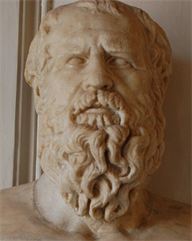 Heraclitusfl. c. 500 BC · Fragments
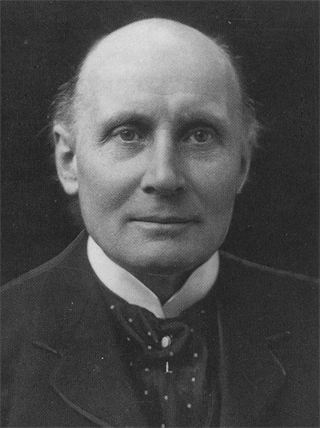
 Alfred North Whitehead1861–1947 · Process and Reality
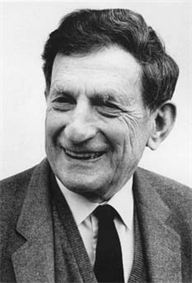 David Bohm1917–1992 · Wholeness and the Implicate Order
Where it leans
About what is real and how we know. Positions are our estimates; philosophers argue about where many schools belong.
Most unusual position
52%On spirit or matter, it leans further toward matter than 52% of the 135 schools on the map.
Middle of all schools on the map: 39 · This school: 43 (0 = Spirit, 100 = Matter)
Most typical position
FactsOn facts (subjective or objective), it sits close to the middle of the schools on the map.
Middle of all schools on the map: 79 · This school: 82 (0 = subjective, 100 = objective)
Where it comes from
What came before Process Philosophy and led into it, and what grew out of it. Only links that historians agree on.
Came before it
- Heraclitus (around 500 BC)
- Gottfried Wilhelm Leibniz (17th century)
- G. W. F. Hegel (19th century)
- Henri Bergson (early 20th century)
Grew out of it
- Alfred North Whitehead, Process and Reality (1929)
- Charles Hartshorne (20th century)
- John Cobb and process theology (from the 1960s)
- Gilles Deleuze (20th century)
One thing to practise
A real practice from Process Philosophy, to try this week. Described in our words.
Step in the same river
Stand by a stream, or watch water running from a tap. Ask what makes it the same river from one minute to the next when none of the water is the same, then ask the same question about yourself.
From: Heraclitus's river saying, as reported in Plato's Cratylus (402a)
Its strongest argument
The best case Process Philosophy makes against people who see the world very differently, in two sentences. People whose furthest school this is see it on their result.
Nothing you can point to stays the same for long: your body keeps replacing its materials, mountains wear down, and physics describes even atoms as patterns of activity, so a world of fixed things that only sometimes change gets it backwards. If that is right, you are not a fixed thing either, and views built on unchanging substances start wrong.
The argument in our own words, not a quotation.
Where it sits
On the maps
Each map puts two scales side by side. Each small square is a school, at its exact spot; its name shows where there is room. For the others, point at the square, or tap it once on a phone. The first, Reality & truth, puts spirit or matter across and subjective or objective up and down. Click a school, or tap it again, to open it.
Swipe sideways to see the whole chart.
Thinkers in this school
Pictured thinkers nearest this spot on the map
Neighbours on the map
The six schools closest to this one.
- DeismGod created the universe and its laws, then let it run without stepping in; reason, not revelation, shows this.
- CypherpunkPrivacy and freedom will not be granted by governments or companies, so people must protect them themselves by building and using strong cryptography.
- PantheismGod and the universe are the same thing; the divine is everywhere in nature.
- LongtermismPeople who will live in the future count as much as people alive today, and there may be vastly more of them, so protecting the long-term future comes first.
- MohismMozi's ancient Chinese school: care for everyone equally, judge actions by how much they benefit people, and take Heaven's will as the standard.
- Classical liberalismLocke's and Smith's liberalism: each person owns their life, labour and property, so government should be limited, laws equal, and markets and speech free.
And you, where do you stand?
Take the quiz and see your match with Process Philosophy and the other 134 schools.
Take the quiz