In one sentence
I think the people of the far future matter as much as we do, so I work to protect their chance to exist and flourish.
How someone from Longtermism might sum up what they believe. Our summary, not a quotation.
Key thinkers
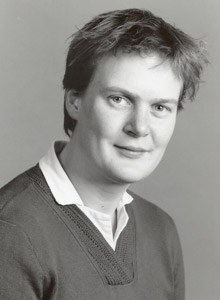
 Hilary Greavesborn 1978 · The Case for Strong Longtermism (by Hilary Greaves and William MacAskill)
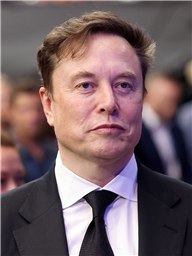 Elon Muskborn 1971 · Lex Fridman Podcast #400 (interviewed by Lex Fridman)
Where it leans
About right, wrong and how to live. Positions are our estimates; philosophers argue about where many schools belong.
Most unusual position
50%On spirit or matter, it leans further toward spirit than 50% of the 135 schools on the map.
Middle of all schools on the map: 39 · This school: 35 (0 = Spirit, 100 = Matter)
Most typical position
ValuesOn values (subjective or objective), it sits close to the middle of the schools on the map.
Middle of all schools on the map: 79 · This school: 80 (0 = subjective, 100 = objective)
Where it comes from
What came before Longtermism and led into it, and what grew out of it. Only links that historians agree on.
Came before it
- Iroquois Gayanashagowa, the coming generations (no date on the page)
- Jonathan Schell, The Fate of the Earth (1982) and Derek Parfit, Reasons and Persons (1984)
- Nick Bostrom, Astronomical Waste (2003)
- Effective altruism, Giving What We Can (2009)
Grew out of it
- Global Priorities Institute, Oxford (2017)
- Toby Ord, The Precipice (2020)
- William MacAskill, What We Owe the Future and the Longtermism Fund (2022)
One thing to practise
A real practice from Longtermism, to try this week. Described in our words.
Choosing your career for its long-term impact
Treat your choice of work as your biggest moral decision, since a working life is tens of thousands of hours. Pick the career that does the most to protect the long-term future, for example by reducing risks of extinction, using research such as that of 80,000 Hours. Give money to effective long-term causes rather than only changing what you buy.
From: William MacAskill, What We Owe the Future (2022), and 80,000 Hours, which he co-founded
Its strongest argument
The best case Longtermism makes against people who see the world very differently, in two sentences. People whose furthest school this is see it on their result.
Being born later does not make a person matter less, just as living far away does not. If humanity survives, far more people will live after us than have ever lived, and a catastrophe now could erase all of them at once. So to someone who cares only about the present, it says: the choices of this century may decide whether almost all human lives ever happen.
The argument in our own words, not a quotation.
Where it sits
On the maps
Each map puts two scales side by side. Each small square is a school, at its exact spot; its name shows where there is room. For the others, point at the square, or tap it once on a phone. The first, Reality & truth, puts spirit or matter across and subjective or objective up and down. Click a school, or tap it again, to open it.
Swipe sideways to see the whole chart.
Thinkers in this school
Pictured thinkers nearest this spot on the map
Neighbours on the map
The six schools closest to this one.
- BuddhismSuffering comes from craving and from clinging to a fixed self; letting go through the Eightfold Path brings freedom.
- ConfucianismA good life and a good society come from virtue, respect, ritual and duty within the family and the state.
- Cartesian DualismDescartes' view that the mind and the body are two different kinds of thing, a thinking thing and an extended one.
- Process PhilosophyReality is made of events and change rather than fixed things; becoming comes before being.
- CypherpunkPrivacy and freedom will not be granted by governments or companies, so people must protect them themselves by building and using strong cryptography.
- PantheismGod and the universe are the same thing; the divine is everywhere in nature.
And you, where do you stand?
Take the quiz and see your match with Longtermism and the other 134 schools.
Take the quiz