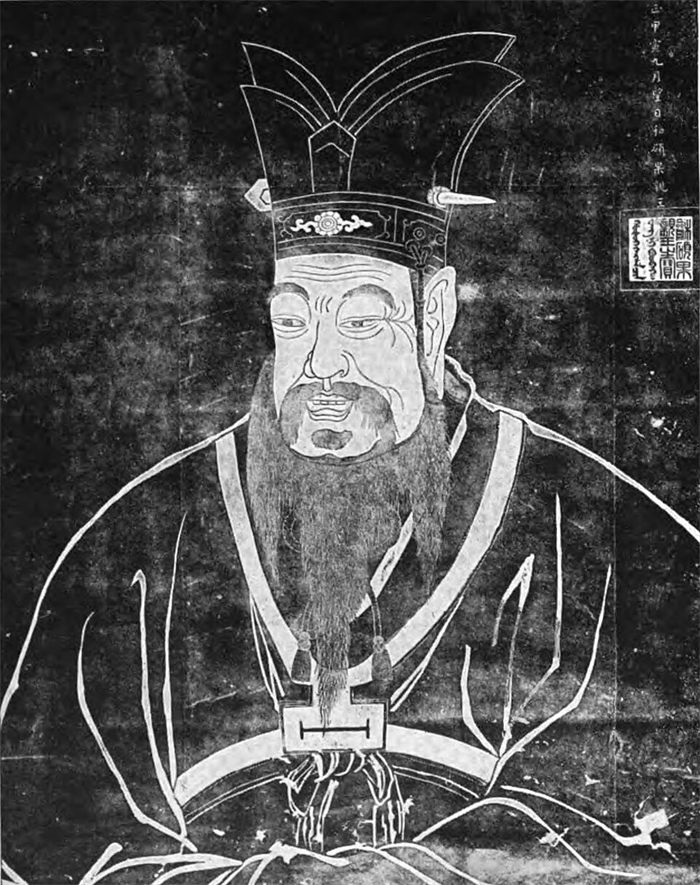
In one sentence
I find the good life, and a good society, in virtue, respect, ritual and duty within the family and the state.
How someone from Confucianism might sum up what they believe. Our summary, not a quotation.
Key thinkers
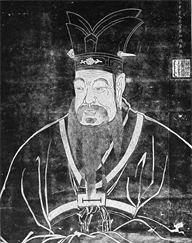 Confucius551–479 BC · Analects
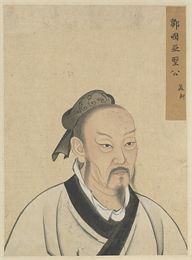 Menciusc. 371–289 BC · Mencius
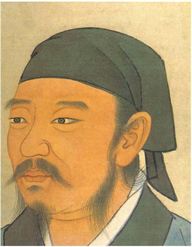 Xunzic. 310–238 BC · Xunzi
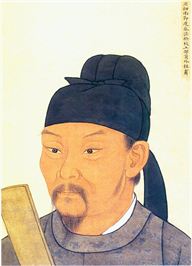 Du Fu712–770 · The Song of the Wagons
Where it leans
About right, wrong and how to live. Positions are our estimates; philosophers argue about where many schools belong.
Most unusual position
69%On values (subjective or objective), it leans further toward objective than 69% of the 135 schools on the map.
Middle of all schools on the map: 79 · This school: 85 (0 = subjective, 100 = objective)
Most typical position
Spirit or matterOn spirit or matter, it sits close to the middle of the schools on the map.
Middle of all schools on the map: 39 · This school: 35 (0 = Spirit, 100 = Matter)
Where it comes from
What came before Confucianism and led into it, and what grew out of it. Only links that historians agree on.
Came before it
- The Duke of Zhou (11th century BC)
- The Book of Songs and the other Zhou classics
Grew out of it
- Mencius (4th century BC)
- Xunzi (3rd century BC)
- Dong Zhongshu (2nd century BC)
- Neo-Confucianism (from the 11th century)
One thing to practise
A real practice from Confucianism, to try this week. Described in our words.
Three questions each day
Each evening, ask yourself three things. In working for others, was I loyal and did my best? With my friends, was I trustworthy? Did I practise what I have been taught?
From: Analects 1.4, the words of Confucius's student Zengzi
Its strongest argument
The best case Confucianism makes against people who see the world very differently, in two sentences. People whose furthest school this is see it on their result.
Nobody becomes a decent person alone: we learn kindness, patience and fairness first in families and then through shared customs and manners, so a society that mocks duty, respect and ritual wears away the soil good character grows in. So if you prize individual freedom above every tie, Confucians ask where you think your own capacity for goodness came from.
The argument in our own words, not a quotation.
Where it sits
On the maps
Each map puts two scales side by side. Each small square is a school, at its exact spot; its name shows where there is room. For the others, point at the square, or tap it once on a phone. The first, Reality & truth, puts spirit or matter across and subjective or objective up and down. Click a school, or tap it again, to open it.
Swipe sideways to see the whole chart.
Thinkers in this school
Pictured thinkers nearest this spot on the map
Neighbours on the map
The six schools closest to this one.
- BuddhismSuffering comes from craving and from clinging to a fixed self; letting go through the Eightfold Path brings freedom.
- LongtermismPeople who will live in the future count as much as people alive today, and there may be vastly more of them, so protecting the long-term future comes first.
- Cartesian DualismDescartes' view that the mind and the body are two different kinds of thing, a thinking thing and an extended one.
- LogotherapyThe deepest human drive is the will to meaning, and life keeps its meaning in every situation, even in suffering we cannot avoid.
- PhenomenologyStart philosophy by carefully describing experience exactly as it shows itself, before any theory about it.
- DeismGod created the universe and its laws, then let it run without stepping in; reason, not revelation, shows this.
And you, where do you stand?
Take the quiz and see your match with Confucianism and the other 134 schools.
Take the quiz