In one sentence
God and Nature are one substance; everything follows by necessity, and understanding that frees me.
How someone from Spinozism might sum up what they believe. Our summary, not a quotation.

Where it leans
A whole worldview, about both. Positions are our estimates; philosophers argue about where many schools belong.
Most unusual position
99%On subjective or objective, it leans further toward objective than 99% of the 135 schools on the map.
Middle of all schools on the map: 79 · This school: 98 (0 = Subjective, 100 = Objective)
Most typical position
Spirit or matterOn spirit or matter, it is nearest to the other schools on the map, though still not in the middle.
Middle of all schools on the map: 39 · This school: 50 (0 = Spirit, 100 = Matter)
Where it comes from
What came before Spinozism and led into it, and what grew out of it. Only links that historians agree on.
Came before it
- Maimonides (12th century)
- René Descartes (17th century)
- Thomas Hobbes (17th century)
Grew out of it
- Gottfried Wilhelm Leibniz (met Spinoza in 1676)
- The pantheism controversy in Germany (1780s)
- G. W. F. Hegel (19th century)
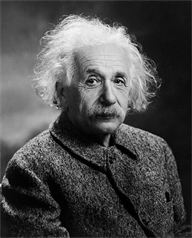
- Albert Einstein (20th century)
One thing to practise
A real practice from Spinozism, to try this week. Described in our words.
Rehearse your rule of life
Choose a rule for how you want to respond, for example meeting hatred with love. Then picture the usual slights and wrongs of daily life ahead of time and imagine answering each by your rule, so the right response is ready when they come.
From: Baruch Spinoza, Ethics (1677), part 5, proposition 10, scholium
Its strongest argument
The best case Spinozism makes against people who see the world very differently, in two sentences. People whose furthest school this is see it on their result.
Everything that happens has causes, including your moods and choices, and once you see that someone's insult came from causes in them as surely as rain comes from clouds, much of your anger loses its grip. So if you think people and events could always have been otherwise, Spinoza asks whether that belief gives you understanding or only more reasons to suffer.
The argument in our own words, not a quotation.
Where it sits
On the maps
Each map puts two scales side by side. Each small square is a school, at its exact spot; its name shows where there is room. For the others, point at the square, or tap it once on a phone. The first, Reality & truth, puts spirit or matter across and subjective or objective up and down. Click a school, or tap it again, to open it.
Swipe sideways to see the whole chart.
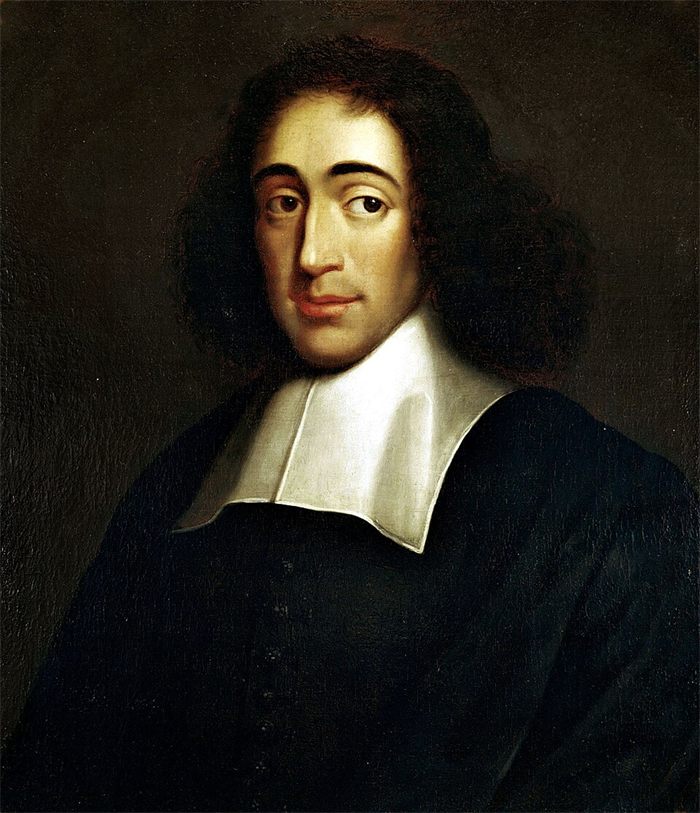
Thinkers in this school
Pictured thinkers nearest this spot on the map
Neighbours on the map
The six schools closest to this one.
- Common Sense RealismTrust the basic beliefs every sane person relies on, like the reality of the outside world and other minds.
- StoicismLive by reason in line with nature: master what is in your control, accept the rest, and virtue is the only true good.
- Classical liberalismLocke's and Smith's liberalism: each person owns their life, labour and property, so government should be limited, laws equal, and markets and speech free.
- AristotelianismStudy the world as it is; everything has a purpose, and a good life is a flourishing life built from virtuous habits.
- FallibilismNo belief is ever beyond doubt, yet tested beliefs are still far better than untested ones.
- DeismGod created the universe and its laws, then let it run without stepping in; reason, not revelation, shows this.
And you, where do you stand?
Take the quiz and see your match with Spinozism and the other 134 schools.
Take the quiz