In one sentence
Only my own mind is certain to exist; everything else might exist only in my experience.
How someone from Solipsism might sum up what they believe. Our summary, not a quotation.
Key thinkers
Claude Brunetabout 1700 · Projet d'une nouvelle métaphysique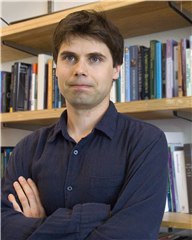 Caspar Hareliving; at MIT since 2003 · On Myself, and Other, Less Important Subjects
Where it leans
About what is real and how we know. Positions are our estimates; philosophers argue about where many schools belong.
Most unusual position
90%On facts (subjective or objective), it leans further toward subjective than 90% of the 135 schools on the map.
Middle of all schools on the map: 79 · This school: 22 (0 = subjective, 100 = objective)
Most typical position
Spirit or matterOn spirit or matter, it is nearest to the other schools on the map, though still not in the middle.
Middle of all schools on the map: 39 · This school: 0 (0 = Spirit, 100 = Matter)
Where it comes from
What came before Solipsism and led into it, and what grew out of it. Only links that historians agree on.
Came before it
- René Descartes (1641)
- George Berkeley (1710)
- David Hume (18th century)
Grew out of it
- Ludwig Wittgenstein, Tractatus (1921) and the private language argument (1953)
- Bertrand Russell, Human Knowledge (1948)
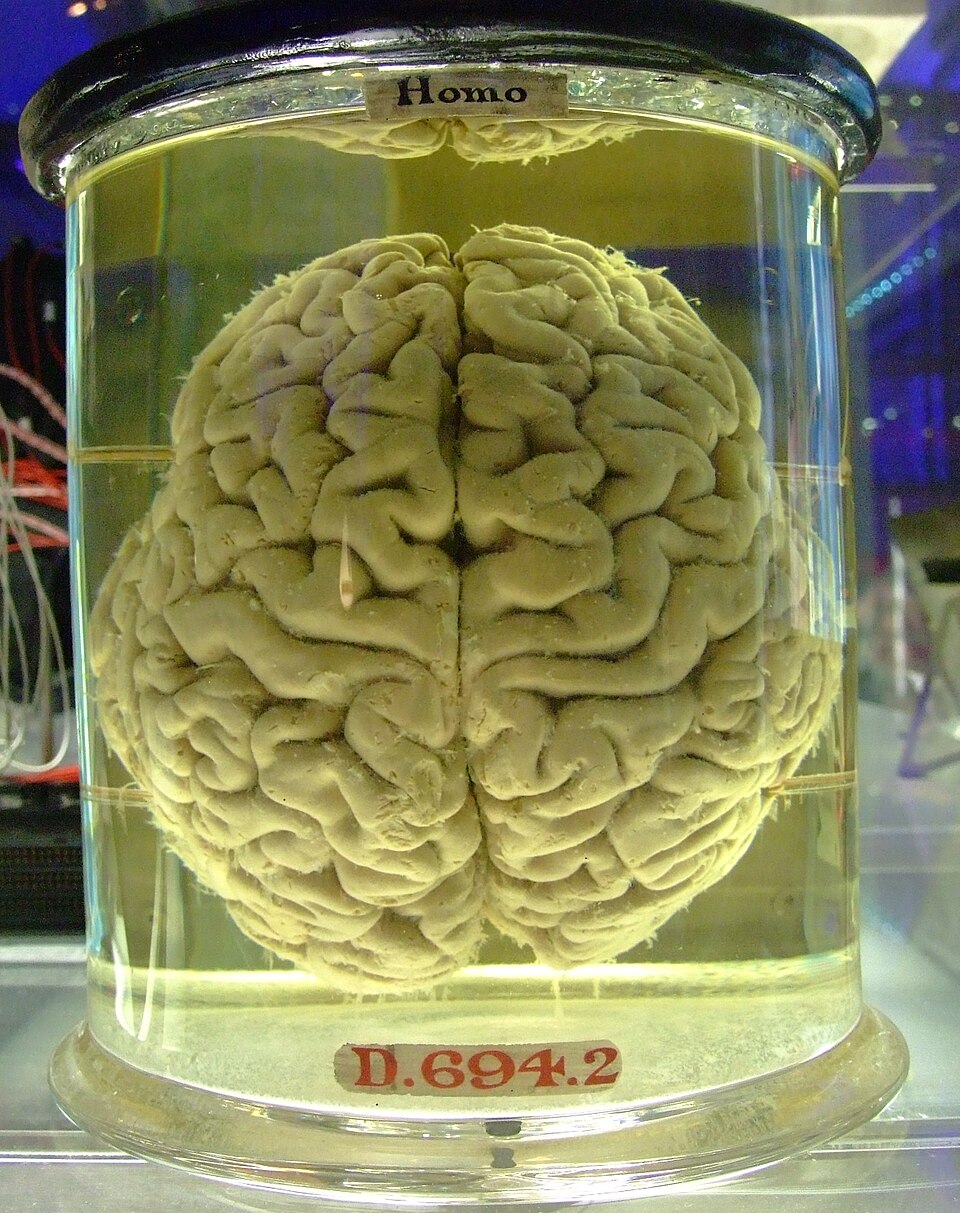
- Hilary Putnam (1981), the brain in a vat
One thing to practise
A real practice from Solipsism, to try this week. Described in our words.
Descartes's deceiving demon
Suppose a powerful deceiver were feeding you every sight, sound and conversation you have, other people included. Make a list of what you could still be sure of, and notice how short it is.
From: René Descartes, Meditations on First Philosophy (1641), first and second meditations
Its strongest argument
The best case Solipsism makes against people who see the world very differently, in two sentences. People whose furthest school this is see it on their result.
Everything you know of other people, their faces, words and apparent feelings, reaches you only as your own experience, and you have never felt anyone else's pain directly. So if you are certain that other minds and an outside world exist, the solipsist asks for evidence of them that is not, in the end, something in your own mind.
The argument in our own words, not a quotation.
Where it sits
On the maps
Each map puts two scales side by side. Each small square is a school, at its exact spot; its name shows where there is room. For the others, point at the square, or tap it once on a phone. The first, Reality & truth, puts spirit or matter across and subjective or objective up and down. Click a school, or tap it again, to open it.
Swipe sideways to see the whole chart.
Thinkers in this school
Pictured thinkers nearest this spot on the map
Neighbours on the map
The six schools closest to this one.
- New Age SpiritualityA modern mix of spiritual practices: personal growth, energy, intuition and the idea that everything is connected.
- Christian ExistentialismKierkegaard's line: each person must face God alone, and faith is a passionate leap rather than a proof.
- RomanticismFeeling, imagination and nature reveal truths that cold reason misses.
- AnimismAnimals, plants, places and objects have spirits or souls of their own.
- Philosophy of DialogueJewish-German thinkers, above all Buber and Rosenzweig, who hold that a person becomes a self only by truly meeting another, the 'I and Thou', and through that meeting, God.
- Kyoto SchoolJapanese philosophers who joined Zen Buddhism with Western philosophy around the idea of "absolute nothingness".
And you, where do you stand?
Take the quiz and see your match with Solipsism and the other 134 schools.
Take the quiz