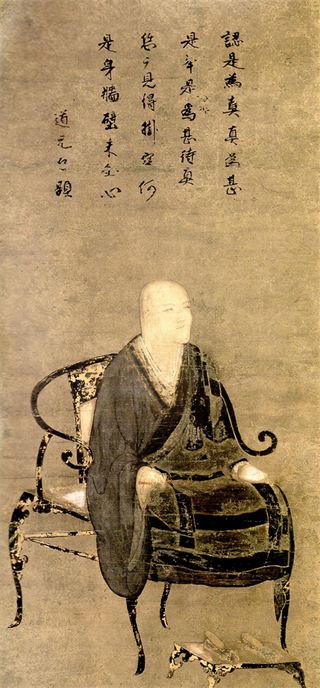
In one sentence
I awaken through meditation and seeing directly, not through scriptures or concepts.
How someone from Zen Buddhism might sum up what they believe. Our summary, not a quotation.
Key thinkers
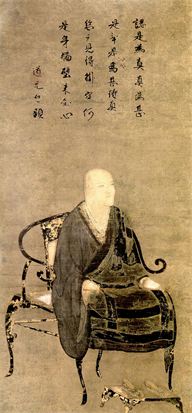 Dōgen1200–1253 · Shōbōgenzō (Treasury of the True Dharma Eye)
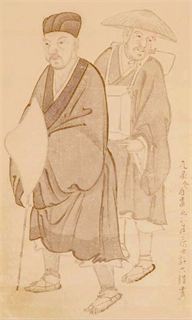 Matsuo Bashō1644–1694 · Oku no Hosomichi
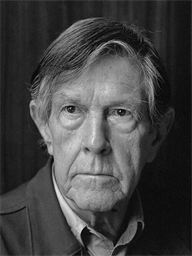 John Cage1912–1992 · Silence: Lectures and Writings
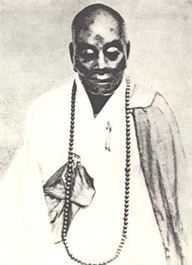 Huinengtraditionally 638–713 · Platform Sutra (attributed)
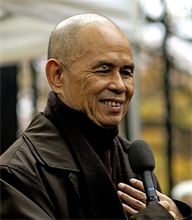 Thích Nhất Hạnh1926–2022 · The Miracle of Mindfulness
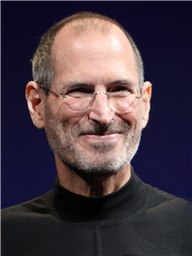 Steve Jobs1955–2011 · Stanford commencement address
Where it leans
A whole worldview, about both. Positions are our estimates; philosophers argue about where many schools belong.
Most unusual position
75%On subjective or objective, it leans further toward subjective than 75% of the 135 schools on the map.
Middle of all schools on the map: 79 · This school: 50 (0 = Subjective, 100 = Objective)
Most typical position
Spirit or matterOn spirit or matter, it sits close to the middle of the schools on the map.
Middle of all schools on the map: 39 · This school: 35 (0 = Spirit, 100 = Matter)
Where it comes from
What came before Zen Buddhism and led into it, and what grew out of it. Only links that historians agree on.
Came before it
- The Buddha (5th century BC)
- Nagarjuna and the teaching of emptiness (2nd century AD)
- Taoism (Laozi and Zhuangzi)
- Bodhidharma, the legendary first Chan teacher in China (5th to 6th century)
Grew out of it
- Huineng, the Sixth Patriarch (7th century)
- Dōgen and Sōtō Zen in Japan (13th century)
- Kitarō Nishida and the Kyoto School (from 1911)
- D. T. Suzuki and Zen in the West (from 1927)
One thing to practise
A real practice from Zen Buddhism, to try this week. Described in our words.
Zazen, just sitting
Sit upright on a cushion, hands resting in your lap, eyes half open, and breathe naturally. When thoughts arise, notice them and let them go, neither chasing them nor pushing them away.
From: Dōgen, Fukanzazengi (Universal Recommendation for Zazen, 1227)
Its strongest argument
The best case Zen Buddhism makes against people who see the world very differently, in two sentences. People whose furthest school this is see it on their result.
Reading about swimming never taught anyone to swim, and no description of tea gives you its taste, so the deepest truths about the mind are found by looking directly, not by piling up ideas. So if you hope to understand life by reading and arguing, Zen would say you are staring at the finger that points at the moon.
The argument in our own words, not a quotation.
Where it sits
On the maps
Each map puts two scales side by side. Each small square is a school, at its exact spot; its name shows where there is room. For the others, point at the square, or tap it once on a phone. The first, Reality & truth, puts spirit or matter across and subjective or objective up and down. Click a school, or tap it again, to open it.
Swipe sideways to see the whole chart.
Thinkers in this school
Pictured thinkers nearest this spot on the map
Neighbours on the map
The six schools closest to this one.
- BuddhismSuffering comes from craving and from clinging to a fixed self; letting go through the Eightfold Path brings freedom.
- HermeneuticsUnderstanding is always interpretation, shaped by the history and point of view the interpreter brings.
- InstrumentalismScientific theories are useful tools for predicting, not literal descriptions of hidden reality.
- Kyoto SchoolJapanese philosophers who joined Zen Buddhism with Western philosophy around the idea of "absolute nothingness".
- African CommunitarianismAfrican ethics of community, called ubuntu in the south: a person becomes fully a person through other people, so character, sharing and the common good come first.
- ContractarianismMorality and political authority come from an agreement that free, rational people would make with each other, or would accept under fair conditions.
And you, where do you stand?
Take the quiz and see your match with Zen Buddhism and the other 134 schools.
Take the quiz