In one sentence
I see one hidden wisdom behind all religions, teaching karma, reincarnation (being reborn) and spiritual evolution.
How someone from Theosophy might sum up what they believe. Our summary, not a quotation.
Key thinkers
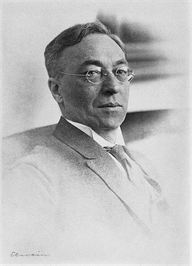 Wassily Kandinsky1866–1944 · Concerning the Spiritual in Art
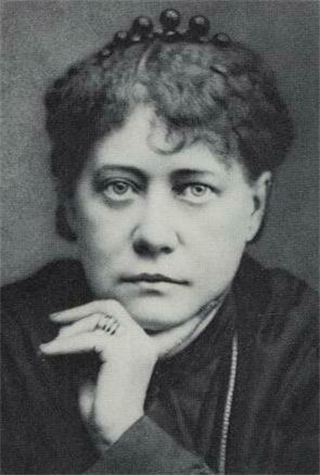
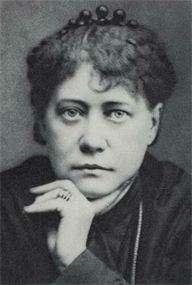 Helena Blavatsky1831–1891 · The Secret Doctrine
Where it leans
About what is real and how we know. Positions are our estimates; philosophers argue about where many schools belong.
Most unusual position
84%On spirit or matter, it leans further toward spirit than 84% of the 135 schools on the map.
Middle of all schools on the map: 39 · This school: 10 (0 = Spirit, 100 = Matter)
Most typical position
FactsOn facts (subjective or objective), it sits close to the middle of the schools on the map.
Middle of all schools on the map: 79 · This school: 78 (0 = subjective, 100 = objective)
Where it comes from
What came before Theosophy and led into it, and what grew out of it. Only links that historians agree on.
Came before it
- Hermeticism
- Hindu and Buddhist texts newly translated in the West (19th century)
- Spiritualism (from 1848)
- Helena Blavatsky (founded the Theosophical Society, 1875)
Grew out of it
- Wassily Kandinsky (1911), Concerning the Spiritual in Art
- Rudolf Steiner and Anthroposophy (1913)
- Jiddu Krishnamurti (20th century)
- New Age Spirituality
One thing to practise
A real practice from Theosophy, to try this week. Described in our words.
Hold one thought
Each morning for a few minutes, choose one subject, an object or a quality such as patience, and keep your mind on it. When it wanders, bring it back calmly. Besant taught that a mind you can control is the first step on the spiritual path.
From: Annie Besant, Thought Power: Its Control and Culture (1901), chapter on concentration
Its strongest argument
The best case Theosophy makes against people who see the world very differently, in two sentences. People whose furthest school this is see it on their result.
Theosophists point out that ideas such as one source behind all things, an inner path for the few, and the soul returning in new lives turn up in Hindu, Buddhist, Greek and Gnostic teaching alike, and read this as traces of one older wisdom. So if you see religions as unrelated local inventions, explain why these ideas keep coming back.
The argument in our own words, not a quotation.
Where it sits
On the maps
Each map puts two scales side by side. Each small square is a school, at its exact spot; its name shows where there is room. For the others, point at the square, or tap it once on a phone. The first, Reality & truth, puts spirit or matter across and subjective or objective up and down. Click a school, or tap it again, to open it.
Swipe sideways to see the whole chart.
Thinkers in this school
Pictured thinkers nearest this spot on the map
Neighbours on the map
The six schools closest to this one.
- GnosticismThe material world is a flawed prison, and salvation comes through secret spiritual knowledge of where the soul really belongs.
- Neo-orthodoxyProtestant movement after the First World War that rejected liberal theology, teaching that God is wholly other and known only where he reveals himself in Christ.
- SufismIslamic mysticism: the heart can come to know God directly through love, remembrance and the dissolving of the self.
- KabbalahJewish mysticism that reads hidden meanings in scripture and maps how the infinite God shows itself through creation.
- FideismThe deepest truths, above all about God, are known by faith, not by reason or evidence.
- VitalismLiving things are driven by a life force that physics and chemistry alone cannot explain.
And you, where do you stand?
Take the quiz and see your match with Theosophy and the other 134 schools.
Take the quiz