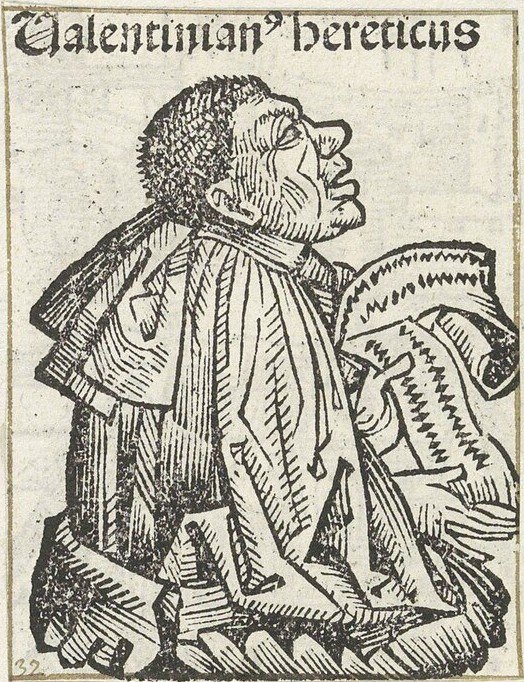
In one sentence
This material world is a flawed prison, and I am saved by secret spiritual knowledge of where my soul really belongs.
How someone from Gnosticism might sum up what they believe. Our summary, not a quotation.
Key thinkers
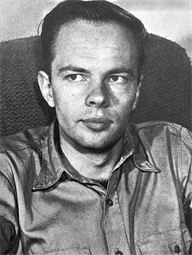 Philip K. Dick1928–1982 · VALIS
 Valentinusc. 100–c. 165 · Gospel of Truth (attributed to him or his school)
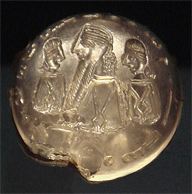 Manic. 216–274/277 · Shabuhragan
Where it leans
A whole worldview, about both. Positions are our estimates; philosophers argue about where many schools belong.
Most unusual position
82%On spirit or matter, it leans further toward spirit than 82% of the 135 schools on the map.
Middle of all schools on the map: 39 · This school: 12 (0 = Spirit, 100 = Matter)
Most typical position
Subjective or objectiveOn subjective or objective, it sits close to the middle of the schools on the map.
Middle of all schools on the map: 79 · This school: 78 (0 = Subjective, 100 = Objective)
Where it comes from
What came before Gnosticism and led into it, and what grew out of it. Only links that historians agree on.
Came before it
- Plato, Timaeus and its world-maker, the Demiurge (4th century BC)
- Jewish and early Christian thought (1st century)
- Valentinus and Basilides (2nd century)
One thing to practise
A real practice from Gnosticism, to try this week. Described in our words.
Seek the one within
Stop looking for God out there for a while. Ask instead: who is it in me that says my mind, my body, my feelings? Follow that question inward and notice what you find.
From: Monoimus the Arabian, as reported by Hippolytus, Refutation of All Heresies, book 8 (3rd century)
Its strongest argument
The best case Gnosticism makes against people who see the world very differently, in two sentences. People whose furthest school this is see it on their result.
A world made by a good, all-powerful maker should not be full of dying children, animals eating each other and minds trapped in failing bodies. So if you think the material world is good or the work of a loving God, the Gnostic asks you to face suffering and say why it is not the mark of a flawed maker.
The argument in our own words, not a quotation.
Where it sits
On the maps
Each map puts two scales side by side. Each small square is a school, at its exact spot; its name shows where there is room. For the others, point at the square, or tap it once on a phone. The first, Reality & truth, puts spirit or matter across and subjective or objective up and down. Click a school, or tap it again, to open it.
Swipe sideways to see the whole chart.
Thinkers in this school
Pictured thinkers nearest this spot on the map
Neighbours on the map
The six schools closest to this one.
- VitalismLiving things are driven by a life force that physics and chemistry alone cannot explain.
- TheosophyA 19th-century movement claiming hidden wisdom behind all religions, with karma, reincarnation and spiritual evolution.
- FideismThe deepest truths, above all about God, are known by faith, not by reason or evidence.
- Integral YogaSri Aurobindo's and the Mother's path: spirit is hidden in matter, evolution is rising toward a divine consciousness, and yoga can speed that change within one life.
- SikhismFaith founded by Guru Nanak: one formless Creator lives in everyone, and you reach God by remembering his name, working honestly, sharing and serving others as equals.
- Neo-orthodoxyProtestant movement after the First World War that rejected liberal theology, teaching that God is wholly other and known only where he reveals himself in Christ.
And you, where do you stand?
Take the quiz and see your match with Gnosticism and the other 134 schools.
Take the quiz