In one sentence
Virtue is the only good, so I drop wealth, status and social custom and live simply, by nature.
How someone from Cynicism might sum up what they believe. Our summary, not a quotation.
Key thinkers
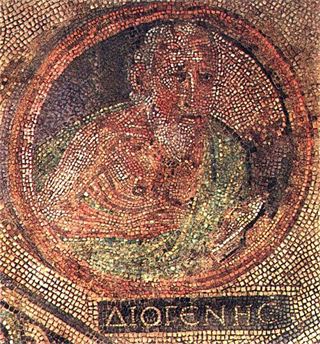
 Diogenes of Sinopec. 413–323 BC · Lives and Opinions of Eminent Philosophers (by Diogenes Laërtius)
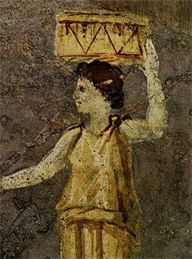 Hipparchia of Maroneiac. 350–280 BC · Lives and Opinions of Eminent Philosophers (by Diogenes Laërtius)
Where it leans
About right, wrong and how to live. Positions are our estimates; philosophers argue about where many schools belong.
Most unusual position
67%On spirit or matter, it leans further toward matter than 67% of the 135 schools on the map.
Middle of all schools on the map: 39 · This school: 63 (0 = Spirit, 100 = Matter)
Most typical position
ValuesOn values (subjective or objective), it sits close to the middle of the schools on the map.
Middle of all schools on the map: 79 · This school: 78 (0 = subjective, 100 = objective)
Where it comes from
What came before Cynicism and led into it, and what grew out of it. Only links that historians agree on.
Came before it
- Socrates (5th century BC)
- Antisthenes, a pupil of Socrates (about 400 BC)
Grew out of it
- Hipparchia of Maroneia and Crates of Thebes (4th century BC)
- Stoicism (Zeno of Citium, about 300 BC)
- Demetrius the Cynic, friend of Seneca (1st century AD)
One thing to practise
A real practice from Cynicism, to try this week. Described in our words.
Throw away the cup
Pick one thing you use every day out of habit rather than need, and go without it for a week. Diogenes threw away his cup when he saw a child drinking from cupped hands; notice how little you miss yours.
From: Diogenes Laertius, Lives of the Eminent Philosophers, book 6 (Diogenes of Sinope)
Its strongest argument
The best case Cynicism makes against people who see the world very differently, in two sentences. People whose furthest school this is see it on their result.
Most of what people chase, money, status, fashion and approval, rests on customs someone invented, and every extra need you take on is one more chain that others can pull. So if your happiness depends on things you could lose tomorrow, Diogenes would say you are less free than a dog sleeping in the street.
The argument in our own words, not a quotation.
Where it sits
On the maps
Each map puts two scales side by side. Each small square is a school, at its exact spot; its name shows where there is room. For the others, point at the square, or tap it once on a phone. The first, Reality & truth, puts spirit or matter across and subjective or objective up and down. Click a school, or tap it again, to open it.
Swipe sideways to see the whole chart.
Thinkers in this school
Pictured thinkers nearest this spot on the map
Neighbours on the map
The six schools closest to this one.
- Critical TheoryFrankfurt School thinkers who join philosophy and social science to expose how capitalism, mass culture and narrow reason dominate people, with the aim of setting them free.
- AristotelianismStudy the world as it is; everything has a purpose, and a good life is a flourishing life built from virtuous habits.
- Milesian schoolThe first Greek philosophers, in Miletus: explain nature by one basic stuff and natural causes instead of gods, and test each other's theories in open debate.
- SpinozismGod and Nature are one substance; everything follows by necessity, and understanding that frees you.
- Classical liberalismLocke's and Smith's liberalism: each person owns their life, labour and property, so government should be limited, laws equal, and markets and speech free.
- FallibilismNo belief is ever beyond doubt, yet tested beliefs are still far better than untested ones.
And you, where do you stand?
Take the quiz and see your match with Cynicism and the other 134 schools.
Take the quiz