In one sentence
I study society not just to describe it but to free people from the powers that quietly rule their lives.
How someone from Critical Theory might sum up what they believe. Our summary, not a quotation.
Key thinkers
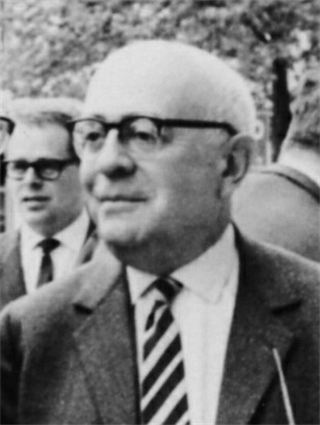
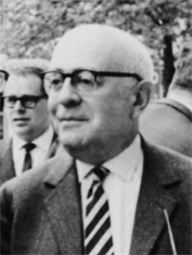 Theodor W. Adorno1903–1969 · Minima Moralia
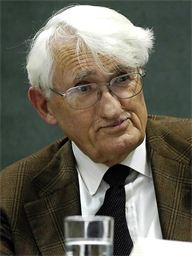 Jürgen Habermas1929–2026 · The Theory of Communicative Action
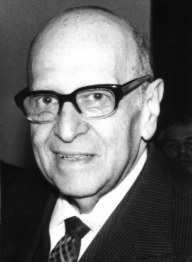 Max Horkheimer1895–1973 · Eclipse of Reason
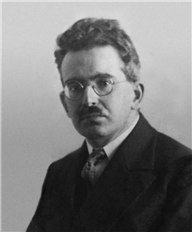 Walter Benjamin1892–1940 · The Origin of German Tragic Drama
 Erich Fromm1900–1980 · Escape from Freedom
Where it leans
A whole worldview, about both. Positions are our estimates; philosophers argue about where many schools belong.
Most unusual position
67%On spirit or matter, it leans further toward matter than 67% of the 135 schools on the map.
Middle of all schools on the map: 39 · This school: 65 (0 = Spirit, 100 = Matter)
Most typical position
Subjective or objectiveOn subjective or objective, it is nearest to the other schools on the map, though still not in the middle.
Middle of all schools on the map: 79 · This school: 60 (0 = Subjective, 100 = Objective)
Where it comes from
What came before Critical Theory and led into it, and what grew out of it. Only links that historians agree on.
Came before it
- Marx and the Left Hegelians (1840s)
- Lukács's essay on reification (1923)
- The Institute for Social Research and Horkheimer's research plan (1923, 1931)
- Freud's psychoanalysis, joined with Marx
Grew out of it
- The Authoritarian Personality (1950)
- Marcuse and the New Left (1960s and 1970s)
- Critical legal studies and the wider critical theories (1970s)
- The third generation: Honneth, Fraser, Benhabib (from 1996)
One thing to practise
A real practice from Critical Theory, to try this week. Described in our words.
Immanent critique (holding things to their own ideals)
Take something your society says it stands for, such as freedom, equality or fairness. Then look at what its institutions actually do, and name the gap. You do not bring in an outside theory; you judge the thing by its own promises, and the gap shows where change is possible.
From: Adorno and the Frankfurt School, building on Hegel and Marx
Its strongest argument
The best case Critical Theory makes against people who see the world very differently, in two sentences. People whose furthest school this is see it on their result.
Ordinary social science treats the world as it finds it, and so it ends up serving whoever already holds power, even when it means to be neutral. A theory that asks how its own questions were shaped by its society can see the domination that neutral description hides. So to someone who thinks science should only describe: describing an unjust order without asking why it exists is already taking its side.
The argument in our own words, not a quotation.
Where it sits
On the maps
Each map puts two scales side by side. Each small square is a school, at its exact spot; its name shows where there is room. For the others, point at the square, or tap it once on a phone. The first, Reality & truth, puts spirit or matter across and subjective or objective up and down. Click a school, or tap it again, to open it.
Swipe sideways to see the whole chart.
Thinkers in this school
Pictured thinkers nearest this spot on the map
Neighbours on the map
The six schools closest to this one.
- HumeanismDavid Hume's view: all ideas come from experience, causes are habits of expectation, and reason serves the passions.
- AbsurdismCamus' view that we crave meaning in a universe that offers none; the answer is to revolt and live fully anyway.
- Ordinary Language PhilosophyMid-20th-century Cambridge and Oxford method holding that many philosophical problems come from misusing words, and dissolve once we look closely at how language is ordinarily used.
- PragmatismAn idea is true if it works in practice; judge beliefs by their consequences for living.
- UtilitarianismThe right action is the one that produces the most happiness for everyone affected.
- Moral RelativismRight and wrong depend on the culture or person judging; there is no single moral truth for everyone.
And you, where do you stand?
Take the quiz and see your match with Critical Theory and the other 134 schools.
Take the quiz