In one sentence
I judge beliefs by their results in daily life: an idea is true if it works in practice.
How someone from Pragmatism might sum up what they believe. Our summary, not a quotation.
Key thinkers
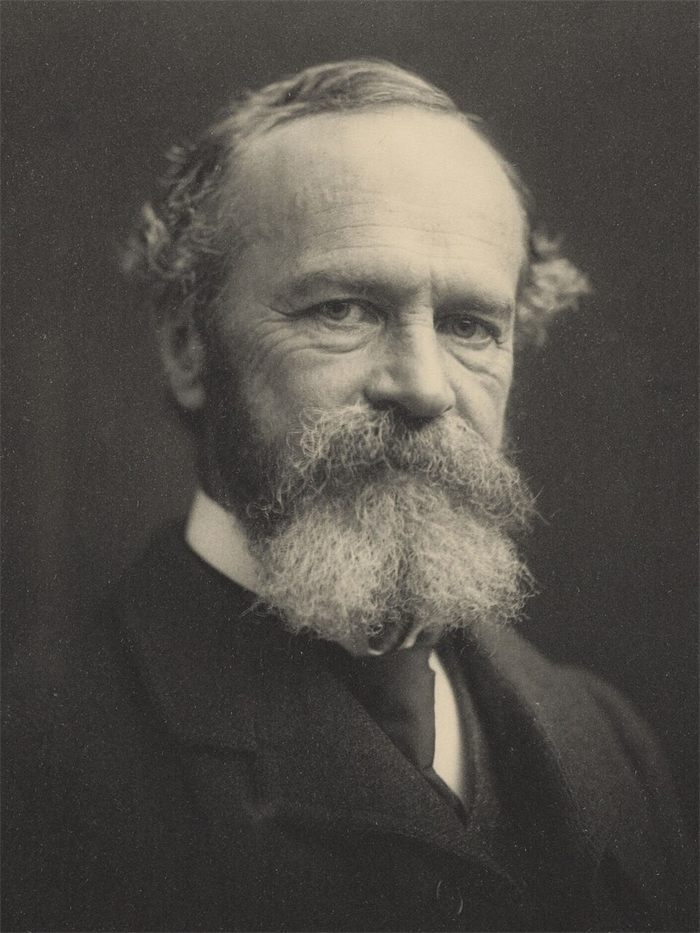
 William James1842–1910 · Pragmatism
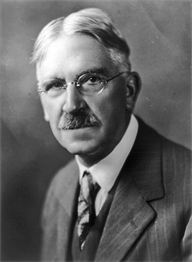 John Dewey1859–1952 · Experience and Nature
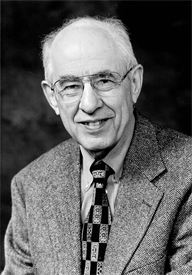 Hilary Putnam1926–2016 · Reason, Truth and History
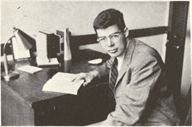 Richard Rorty1931–2007 · Philosophy and the Mirror of Nature
Where it leans
A whole worldview, about both. Positions are our estimates; philosophers argue about where many schools belong.
Most unusual position
76%On subjective or objective, it leans further toward subjective than 76% of the 135 schools on the map.
Middle of all schools on the map: 79 · This school: 45 (0 = Subjective, 100 = Objective)
Most typical position
Spirit or matterOn spirit or matter, it is nearest to the other schools on the map, though still not in the middle.
Middle of all schools on the map: 39 · This school: 71 (0 = Spirit, 100 = Matter)
Where it comes from
What came before Pragmatism and led into it, and what grew out of it. Only links that historians agree on.
Came before it
- Alexander Bain, belief as readiness to act (1859)
- Charles Darwin, On the Origin of Species (1859)
- The Metaphysical Club, Cambridge, Massachusetts (1870s)
Grew out of it
- William James, Pragmatism (1907)
- John Dewey, Experience and Nature (1925)
- Richard Rorty, Philosophy and the Mirror of Nature (1979)
One thing to practise
A real practice from Pragmatism, to try this week. Described in our words.
The pragmatic maxim
Take an idea you are unsure of and list what practical difference it would make if it were true: what you would expect to see, and what you would do differently. Peirce held that this list is the whole of what the idea means.
From: Charles S. Peirce, How to Make Our Ideas Clear (1878)
Its strongest argument
The best case Pragmatism makes against people who see the world very differently, in two sentences. People whose furthest school this is see it on their result.
William James found friends arguing whether a man circling a tree goes round a squirrel that keeps the trunk between them, and showed the quarrel vanished once each side said what practical difference its answer made. So if you hold beliefs that change nothing in how you live or what you expect, the pragmatist asks what those beliefs are for.
The argument in our own words, not a quotation.
Where it sits
On the maps
Each map puts two scales side by side. Each small square is a school, at its exact spot; its name shows where there is room. For the others, point at the square, or tap it once on a phone. The first, Reality & truth, puts spirit or matter across and subjective or objective up and down. Click a school, or tap it again, to open it.
Swipe sideways to see the whole chart.
Thinkers in this school
Pictured thinkers nearest this spot on the map
Neighbours on the map
The six schools closest to this one.
- AbsurdismCamus' view that we crave meaning in a universe that offers none; the answer is to revolt and live fully anyway.
- HumeanismDavid Hume's view: all ideas come from experience, causes are habits of expectation, and reason serves the passions.
- Cyrenaic HedonismPleasure of the moment, especially bodily pleasure, is the only good; seize it now.
- Critical TheoryFrankfurt School thinkers who join philosophy and social science to expose how capitalism, mass culture and narrow reason dominate people, with the aim of setting them free.
- Humanistic PsychologyPeople are whole, conscious and free to choose, and with real acceptance they naturally grow towards their full potential.
- ExistentialismExistence comes before essence: there is no given human nature, so you make yourself through your choices.
And you, where do you stand?
Take the quiz and see your match with Pragmatism and the other 134 schools.
Take the quiz