In one sentence
Existence comes before essence: no human nature is handed to me, so I make myself through my choices.
How someone from Existentialism might sum up what they believe. Our summary, not a quotation.
Key thinkers
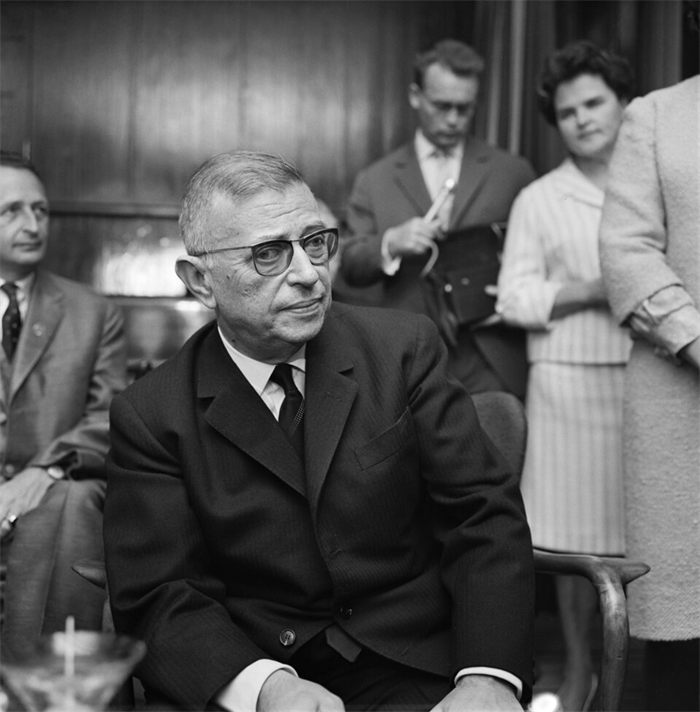
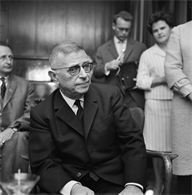 Jean-Paul Sartre1905–1980 · Existentialism Is a Humanism
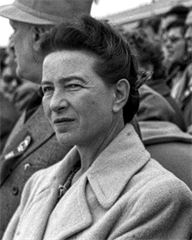 Simone de Beauvoir1908–1986 · The Second Sex
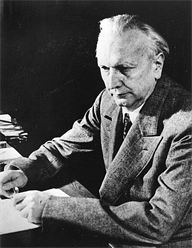 Karl Jaspers1883–1969 · Philosophy
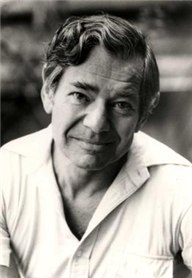 Walter Kaufmann1921–1980 · The Faith of a Heretic
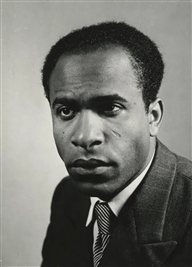 Frantz Fanon1925–1961 · The Wretched of the Earth
Where it leans
A whole worldview, about both. Positions are our estimates; philosophers argue about where many schools belong.
Most unusual position
80%On subjective or objective, it leans further toward subjective than 80% of the 135 schools on the map.
Middle of all schools on the map: 79 · This school: 38 (0 = Subjective, 100 = Objective)
Most typical position
Spirit or matterOn spirit or matter, it is nearest to the other schools on the map, though still not in the middle.
Middle of all schools on the map: 39 · This school: 55 (0 = Spirit, 100 = Matter)
Where it comes from
What came before Existentialism and led into it, and what grew out of it. Only links that historians agree on.
Came before it
- Søren Kierkegaard (1840s)
- Friedrich Nietzsche (1880s)
- Edmund Husserl and Phenomenology (1900s to 1910s)
- Martin Heidegger, Being and Time (1927)
Grew out of it
- Simone de Beauvoir, The Second Sex (1949)
- Frantz Fanon, Black Skin, White Masks (1952)
- Irvin Yalom, Existential Psychotherapy (1980)
One thing to practise
A real practice from Existentialism, to try this week. Described in our words.
Catch your bad faith
Notice one moment this week when you say you had no choice, or act as if a role defines you, like Sartre's café waiter playing at being a waiter. Name the choice you were actually making.
From: Jean-Paul Sartre, Being and Nothingness (1943), part 1, chapter 2, Bad Faith
Its strongest argument
The best case Existentialism makes against people who see the world very differently, in two sentences. People whose furthest school this is see it on their result.
A paper knife is made for a purpose decided before it exists, but nothing designed you, so no human nature tells you what to be, and every excuse that blames your nature, upbringing or circumstances hides your own choice. So if you say you had no choice, Sartre would call it bad faith, lying to yourself about your freedom.
The argument in our own words, not a quotation.
Where it sits
On the maps
Each map puts two scales side by side. Each small square is a school, at its exact spot; its name shows where there is room. For the others, point at the square, or tap it once on a phone. The first, Reality & truth, puts spirit or matter across and subjective or objective up and down. Click a school, or tap it again, to open it.
Swipe sideways to see the whole chart.
Thinkers in this school
Pictured thinkers nearest this spot on the map
Neighbours on the map
The six schools closest to this one.
- Humanistic PsychologyPeople are whole, conscious and free to choose, and with real acceptance they naturally grow towards their full potential.
- Social ConstructionismMuch of what we take as natural, like categories and norms, is built by society and could have been different.
- PragmatismAn idea is true if it works in practice; judge beliefs by their consequences for living.
- BuddhismSuffering comes from craving and from clinging to a fixed self; letting go through the Eightfold Path brings freedom.
- HermeneuticsUnderstanding is always interpretation, shaped by the history and point of view the interpreter brings.
- PoststructuralismMeaning is never fixed; language, power and history shape what counts as true or normal.
And you, where do you stand?
Take the quiz and see your match with Existentialism and the other 134 schools.
Take the quiz