In one sentence
Intuition, nature and my own soul reach truth better than any institution does.
How someone from Transcendentalism might sum up what they believe. Our summary, not a quotation.
Key thinkers
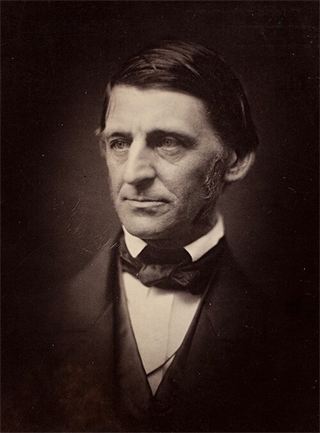
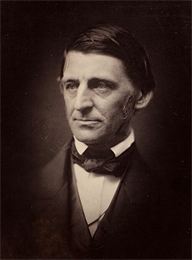 Ralph Waldo Emerson1803–1882 · Nature
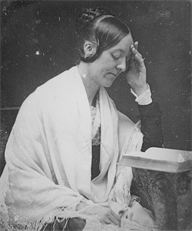 Margaret Fuller1810–1850 · Woman in the Nineteenth Century
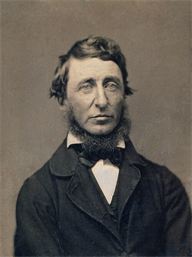 Henry David Thoreau1817–1862 · Walden
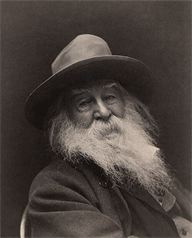 Walt Whitman1819–1892 · Leaves of Grass
Where it leans
A whole worldview, about both. Positions are our estimates; philosophers argue about where many schools belong.
Most unusual position
71%On spirit or matter, it leans further toward spirit than 71% of the 135 schools on the map.
Middle of all schools on the map: 39 · This school: 20 (0 = Spirit, 100 = Matter)
Most typical position
Subjective or objectiveOn subjective or objective, it sits close to the middle of the schools on the map.
Middle of all schools on the map: 79 · This school: 75 (0 = Subjective, 100 = Objective)
Where it comes from
What came before Transcendentalism and led into it, and what grew out of it. Only links that historians agree on.
Came before it
- The Bhagavad Gita and other Indian scriptures
- Immanuel Kant (18th century)
- Romanticism (Coleridge and Wordsworth)
- Unitarianism in New England (early 19th century)
Grew out of it
- Walt Whitman (1855)
- John Muir and the conservation movement (late 19th century)
- Mahatma Gandhi (20th century), through Thoreau's Civil Disobedience
- Martin Luther King Jr. (20th century)
One thing to practise
A real practice from Transcendentalism, to try this week. Described in our words.
A long walk with no errand
Go for a long walk with no goal, away from roads if you can, and leave your phone and your errands behind. Thoreau walked for hours most days, and warned against walking into the woods with your body while your mind stays in town.
From: Henry David Thoreau, Walking (1862)
Its strongest argument
The best case Transcendentalism makes against people who see the world very differently, in two sentences. People whose furthest school this is see it on their result.
Most of what we believe comes second-hand from churches, schools and newspapers, and many people go through life without ever testing it against their own direct experience of nature and conscience. So if you trust institutions or experts over your own inner sense, Emerson asks whether you have ever looked at the world yourself, or only through someone else's eyes.
The argument in our own words, not a quotation.
Where it sits
On the maps
Each map puts two scales side by side. Each small square is a school, at its exact spot; its name shows where there is room. For the others, point at the square, or tap it once on a phone. The first, Reality & truth, puts spirit or matter across and subjective or objective up and down. Click a school, or tap it again, to open it.
Swipe sideways to see the whole chart.
Thinkers in this school
Pictured thinkers nearest this spot on the map
Neighbours on the map
The six schools closest to this one.
- Media EcologyEvery medium, from the alphabet to the smartphone, reshapes how we think and live, often more than the messages it carries.
- HermeticismAncient mystical teachings said to come from Hermes Trismegistus: "as above, so below", and hidden knowledge can unite you with the divine.
- Critique of TechnologyModern technology is not a neutral tool: it pushes efficiency over human ends, so people must decide what to keep and what to refuse.
- PessimismLife holds more suffering than happiness; Schopenhauer, its best-known voice, traced this to a blind, restless will that drives everything, and saw compassion as what eases it.
- Integral YogaSri Aurobindo's and the Mother's path: spirit is hidden in matter, evolution is rising toward a divine consciousness, and yoga can speed that change within one life.
- SikhismFaith founded by Guru Nanak: one formless Creator lives in everyone, and you reach God by remembering his name, working honestly, sharing and serving others as equals.
And you, where do you stand?
Take the quiz and see your match with Transcendentalism and the other 134 schools.
Take the quiz