In one sentence
I ask not only what a medium tells me but what it is doing to me.
How someone from Media Ecology might sum up what they believe. Our summary, not a quotation.
Key thinkers
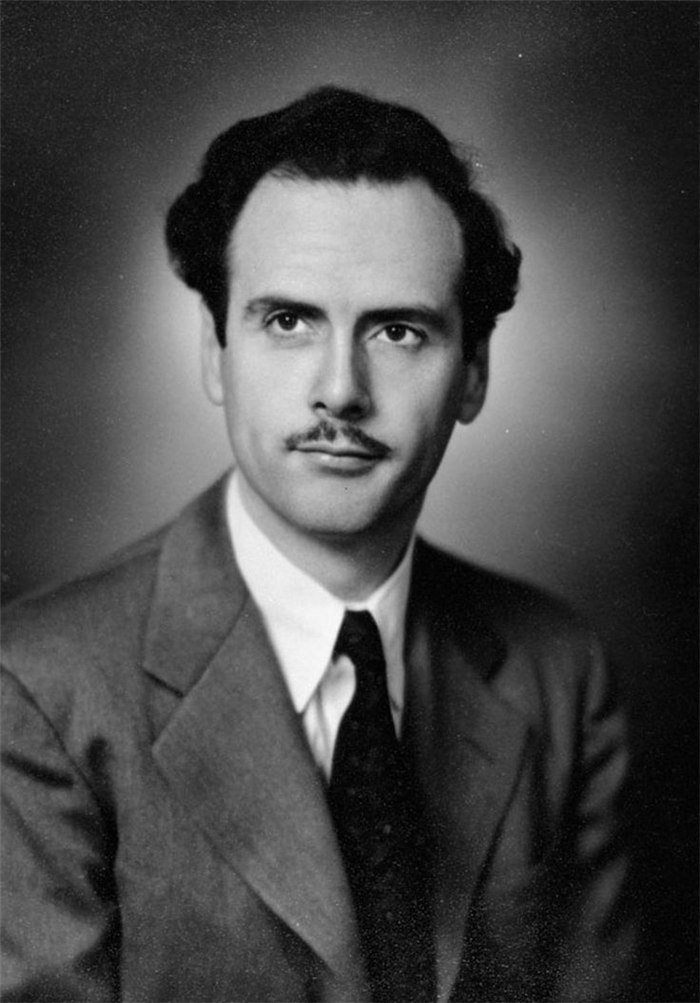
 Marshall McLuhan1911–1980 · Understanding Media: The Extensions of Man
 Neil Postman1931–2003 · Amusing Ourselves to Death: Public Discourse in the Age of Show Business
 Walter J. Ong1912–2003 · Orality and Literacy: The Technologizing of the Word
Where it leans
A whole worldview, about both. Positions are our estimates; philosophers argue about where many schools belong.
Most unusual position
72%On spirit or matter, it leans further toward spirit than 72% of the 135 schools on the map.
Middle of all schools on the map: 39 · This school: 18 (0 = Spirit, 100 = Matter)
Most typical position
Subjective or objectiveOn subjective or objective, it sits close to the middle of the schools on the map.
Middle of all schools on the map: 79 · This school: 75 (0 = Subjective, 100 = Objective)
Where it comes from
What came before Media Ecology and led into it, and what grew out of it. Only links that historians agree on.
Came before it
- 1934: McLuhan at Cambridge under I. A. Richards
- 1951: Harold Innis, The Bias of Communication
- 1950s: the Toronto School of communication
- 1930s on: Mumford and Ellul on technology
Grew out of it
- 1971: Program in Media Ecology at NYU (Postman)
- 1985 and 1992: Postman's Amusing Ourselves to Death and Technopoly
- Walter Ong's work on orality and literacy
- European media ecology (Fuller, Parikka)
One thing to practise
A real practice from Media Ecology, to try this week. Described in our words.
The tetrad (McLuhan's four questions)
Take any medium or tool, such as a phone app, and ask four questions about it: what does it enhance, what does it make obsolete, what older thing does it bring back, and what does it turn into when pushed to the extreme. Ask them all at once, not in order. The answers show effects you do not notice while using it.
From: Marshall McLuhan, Toronto, from 1974; published in Laws of Media (1988)
Its strongest argument
The best case Media Ecology makes against people who see the world very differently, in two sentences. People whose furthest school this is see it on their result.
We usually judge a medium by its content, but the form of a medium decides what kind of content it can carry at all. Print can hold a long, careful argument; television turns politics, news and religion into entertainment. So each new medium remakes a culture, and the only defence is to see it clearly. To someone who thinks technology is just a neutral pipe it says: we shape our tools, and then our tools shape us.
The argument in our own words, not a quotation.
Where it sits
On the maps
Each map puts two scales side by side. Each small square is a school, at its exact spot; its name shows where there is room. For the others, point at the square, or tap it once on a phone. The first, Reality & truth, puts spirit or matter across and subjective or objective up and down. Click a school, or tap it again, to open it.
Swipe sideways to see the whole chart.
Thinkers in this school
Pictured thinkers nearest this spot on the map
Neighbours on the map
The six schools closest to this one.
- TranscendentalismEmerson and Thoreau's view that intuition, nature and the individual soul reach truth better than institutions do.
- HermeticismAncient mystical teachings said to come from Hermes Trismegistus: "as above, so below", and hidden knowledge can unite you with the divine.
- Critique of TechnologyModern technology is not a neutral tool: it pushes efficiency over human ends, so people must decide what to keep and what to refuse.
- Integral YogaSri Aurobindo's and the Mother's path: spirit is hidden in matter, evolution is rising toward a divine consciousness, and yoga can speed that change within one life.
- SikhismFaith founded by Guru Nanak: one formless Creator lives in everyone, and you reach God by remembering his name, working honestly, sharing and serving others as equals.
- FideismThe deepest truths, above all about God, are known by faith, not by reason or evidence.
And you, where do you stand?
Take the quiz and see your match with Media Ecology and the other 134 schools.
Take the quiz