In one sentence
As I see it, reality is basically mental, and the material world depends on minds.
How someone from Idealism might sum up what they believe. Our summary, not a quotation.
Key thinkers
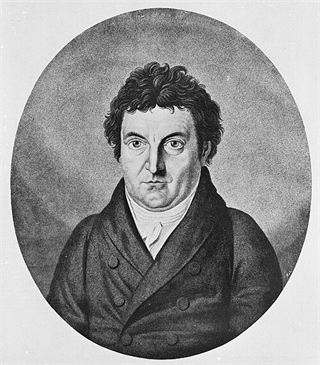
 Johann Gottlieb Fichte1762–1814 · The Vocation of Man
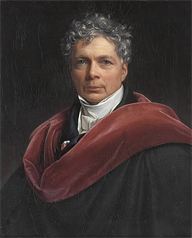 Friedrich Wilhelm Joseph Schelling1775–1854 · System of Transcendental Idealism
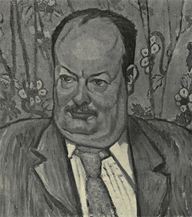 J. M. E. McTaggart1866–1925 · The Unreality of Time
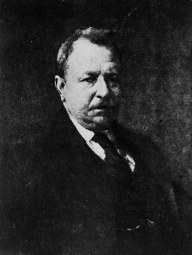 Benedetto Croce1866–1952 · Aesthetic as Science of Expression and General Linguistic
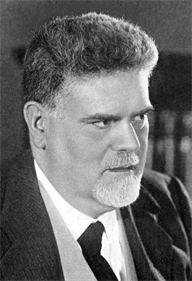 Giovanni Gentile1875–1944 · The Theory of Mind as Pure Act
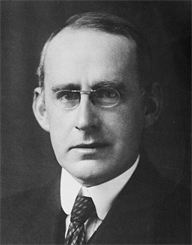 Arthur Eddington1882–1944 · The Nature of the Physical World
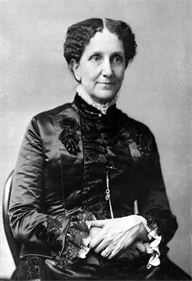 Mary Baker Eddy1821–1910 · Science and Health with Key to the Scriptures
 Donald D. Hoffmanborn 1955 · The Case Against Reality: How Evolution Hid the Truth from Our Eyes
Where it leans
About what is real and how we know. Positions are our estimates; philosophers argue about where many schools belong.
Most unusual position
95%On spirit or matter, it leans further toward spirit than 95% of the 135 schools on the map.
Middle of all schools on the map: 39 · This school: 7 (0 = Spirit, 100 = Matter)
Most typical position
FactsOn facts (subjective or objective), it sits close to the middle of the schools on the map.
Middle of all schools on the map: 79 · This school: 75 (0 = subjective, 100 = objective)
Where it comes from
What came before Idealism and led into it, and what grew out of it. Only links that historians agree on.
Came before it
- The Upanishads (from around 800 BC)
- Plato (4th century BC)
- Vasubandhu and Yogacara Buddhism (4th to 5th century)
- George Berkeley (1710)
Grew out of it
- Immanuel Kant (1781), transcendental idealism
- G. W. F. Hegel (19th century)
- F. H. Bradley and Josiah Royce (late 19th century)
- Donald D. Hoffman (21st century)
One thing to practise
A real practice from Idealism, to try this week. Described in our words.
Check your dream
For a few mornings, as soon as you wake, recall a dream and note how solid, coloured and real it seemed while you were in it, though no outside objects were there. Then ask what waking life shows you beyond that.
From: Vasubandhu, Twenty Verses (Vimshatika, 4th to 5th century), which uses dreams to argue that experience does not need outside objects
Its strongest argument
The best case Idealism makes against people who see the world very differently, in two sentences. People whose furthest school this is see it on their result.
Everything you have ever known about the world, its colours, sounds, solidity and even its laws, has reached you as experience in a mind, and you have never stepped outside experience to meet matter on its own. So if you think matter comes first and mind is a by-product, idealists ask what evidence for matter you have that is not itself experience.
The argument in our own words, not a quotation.
Where it sits
On the maps
Each map puts two scales side by side. Each small square is a school, at its exact spot; its name shows where there is room. For the others, point at the square, or tap it once on a phone. The first, Reality & truth, puts spirit or matter across and subjective or objective up and down. Click a school, or tap it again, to open it.
Swipe sideways to see the whole chart.
Thinkers in this school
Pictured thinkers nearest this spot on the map
Neighbours on the map
The six schools closest to this one.
- HasidismJewish mystical revival that teaches God is present in everything, so even simple acts done with joy can bind you to God.
- Berkeleyan IdealismOnly minds and their ideas exist; to be is to be perceived, and God keeps the world in being by perceiving it.
- Neo-orthodoxyProtestant movement after the First World War that rejected liberal theology, teaching that God is wholly other and known only where he reveals himself in Christ.
- TheosophyA 19th-century movement claiming hidden wisdom behind all religions, with karma, reincarnation and spiritual evolution.
- SufismIslamic mysticism: the heart can come to know God directly through love, remembrance and the dissolving of the self.
- Advaita VedantaA Hindu school holding that your deepest self and ultimate reality, Brahman, are one, and separateness is an illusion.
And you, where do you stand?
Take the quiz and see your match with Idealism and the other 134 schools.
Take the quiz