In one sentence
All of reality, as I see it, is one single, all-embracing mind or spirit: the Absolute.
How someone from Absolute Idealism might sum up what they believe. Our summary, not a quotation.
Key thinkers
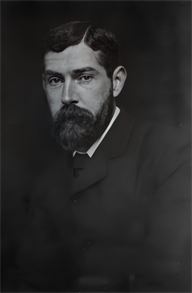 F. H. Bradley1846–1924 · Appearance and Reality
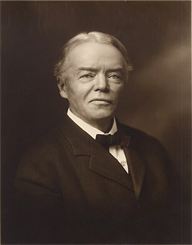 Josiah Royce1855–1916 · The World and the Individual
Where it leans
About what is real and how we know. Positions are our estimates; philosophers argue about where many schools belong.
Most unusual position
97%On spirit or matter, it leans further toward spirit than 97% of the 135 schools on the map.
Middle of all schools on the map: 39 · This school: 5 (0 = Spirit, 100 = Matter)
Most typical position
FactsOn facts (subjective or objective), it sits close to the middle of the schools on the map.
Middle of all schools on the map: 79 · This school: 85 (0 = subjective, 100 = objective)
Where it comes from
What came before Absolute Idealism and led into it, and what grew out of it. Only links that historians agree on.
Came before it
- Baruch Spinoza (17th century)
- Friedrich Wilhelm Joseph Schelling (around 1800)
- G. W. F. Hegel (early 19th century)
Grew out of it
- F. H. Bradley, Appearance and Reality (1893)
- Josiah Royce (1890s onwards)
- J. M. E. McTaggart (early 20th century)
- Bertrand Russell and G. E. Moore, who broke with it (around 1900)
One thing to practise
A real practice from Absolute Idealism, to try this week. Described in our words.
Loyalty to loyalty
Pick one cause bigger than yourself, such as your family, a team or a community, and do one concrete thing for it this week. Royce's test: serve it in a way that also helps other people stay loyal to their own causes, never in a way that wrecks theirs.
From: Josiah Royce, The Philosophy of Loyalty (1908)
Its strongest argument
The best case Absolute Idealism makes against people who see the world very differently, in two sentences. People whose furthest school this is see it on their result.
Every fact you know is tied to others, and the better you understand anything, the more of the whole you need, so the full truth about one thing is the truth about everything, held in one all-embracing reality. So if you see the world as separate facts with no deeper unity, try to find one fact that stands entirely alone.
The argument in our own words, not a quotation.
Where it sits
On the maps
Each map puts two scales side by side. Each small square is a school, at its exact spot; its name shows where there is room. For the others, point at the square, or tap it once on a phone. The first, Reality & truth, puts spirit or matter across and subjective or objective up and down. Click a school, or tap it again, to open it.
Swipe sideways to see the whole chart.
Thinkers in this school
Pictured thinkers nearest this spot on the map
Neighbours on the map
The six schools closest to this one.
- IlluminationismSuhrawardi's philosophy of light: all reality is degrees of light flowing from God, the Light of Lights, and the self knows truth by direct inner presence.
- NeoplatonismEverything flows out of one perfect source, the One, and the soul can climb back towards it through thought and contemplation.
- PersonalismThe person, with dignity and freedom, is the centre of reality and the measure of morality and politics.
- MysticismThe deepest truth is reached by direct inner experience of the divine or the One, beyond words and reasoning.
- PerennialismAll the great religions point to one shared, timeless truth beneath their different surfaces.
- KabbalahJewish mysticism that reads hidden meanings in scripture and maps how the infinite God shows itself through creation.
And you, where do you stand?
Take the quiz and see your match with Absolute Idealism and the other 134 schools.
Take the quiz