
In one sentence
Under their different surfaces, all the great religions point me to one shared, timeless truth.
How someone from Perennialism might sum up what they believe. Our summary, not a quotation.
Key thinkers
 Seyyed Hossein Nasrborn 1933 · Knowledge and the Sacred
 Aldous Huxley1894–1963 · The Perennial Philosophy
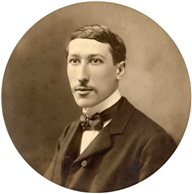 René Guénon1886–1951 · The Reign of Quantity and the Signs of the Times
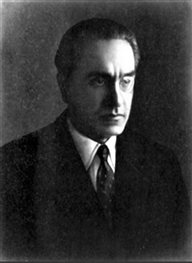 Julius Evola1898–1974 · Revolt Against the Modern World
Where it leans
About what is real and how we know. Positions are our estimates; philosophers argue about where many schools belong.
Most unusual position
96%On spirit or matter, it leans further toward spirit than 96% of the 135 schools on the map.
Middle of all schools on the map: 39 · This school: 7 (0 = Spirit, 100 = Matter)
Most typical position
FactsOn facts (subjective or objective), it is nearest to the other schools on the map, though still not in the middle.
Middle of all schools on the map: 79 · This school: 90 (0 = subjective, 100 = objective)
Where it comes from
What came before Perennialism and led into it, and what grew out of it. Only links that historians agree on.
Came before it
- Neoplatonism
- Marsilio Ficino (15th century) and his ancient theology
- Agostino Steuco, On the Perennial Philosophy (1540)
- Gottfried Wilhelm Leibniz (1714 letter on the perennial philosophy)
Grew out of it
- René Guénon and Frithjof Schuon, the Traditionalist school (from the 1920s)
- Aldous Huxley, The Perennial Philosophy (1945)
- Huston Smith (20th century)
- Seyyed Hossein Nasr (20th century)
One thing to practise
A real practice from Perennialism, to try this week. Described in our words.
Side by side
Take one theme, such as humility or the self, and read a short passage on it from three traditions, for example the Bhagavad Gita, the Tao Te Ching and a Christian or Sufi mystic. Note what they share and where they truly differ.
From: The method of Aldous Huxley's The Perennial Philosophy (1945), which sets passages from many traditions side by side by theme
Its strongest argument
The best case Perennialism makes against people who see the world very differently, in two sentences. People whose furthest school this is see it on their result.
Mystics in Hindu, Buddhist, Christian, Muslim and Taoist traditions, separated by centuries and oceans, describe strikingly similar things: a hidden unity, the need for the ego to die, and love as the way. So if you think religions are unrelated inventions, you must explain why their most devoted followers keep arriving at the same place.
The argument in our own words, not a quotation.
Where it sits
On the maps
Each map puts two scales side by side. Each small square is a school, at its exact spot; its name shows where there is room. For the others, point at the square, or tap it once on a phone. The first, Reality & truth, puts spirit or matter across and subjective or objective up and down. Click a school, or tap it again, to open it.
Swipe sideways to see the whole chart.
Thinkers in this school
Pictured thinkers nearest this spot on the map
Neighbours on the map
The six schools closest to this one.
- AugustinianismAugustine's view that people are fallen and need God's grace, and that true happiness is found only in God.
- Ash'arismThe main Sunni theology: God directly creates every event and act, good is what God commands, and reason defends the faith but cannot set right and wrong alone.
- VishishtadvaitaA Hindu school holding that God is one, yet souls and the world are truly real as his body, and loving surrender to God brings freedom.
- NeoplatonismEverything flows out of one perfect source, the One, and the soul can climb back towards it through thought and contemplation.
- ScholasticismThe medieval method of settling questions by careful logic, quoting authorities and answering every objection in turn.
- IlluminationismSuhrawardi's philosophy of light: all reality is degrees of light flowing from God, the Light of Lights, and the self knows truth by direct inner presence.
And you, where do you stand?
Take the quiz and see your match with Perennialism and the other 134 schools.
Take the quiz