In one sentence
I believe in God the way I believe other people have minds: directly, without first needing a proof.
How someone from Reformed Epistemology might sum up what they believe. Our summary, not a quotation.
Key thinkers
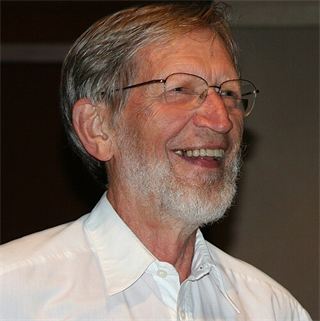
 Alvin Plantingaborn 1932 · Warranted Christian Belief
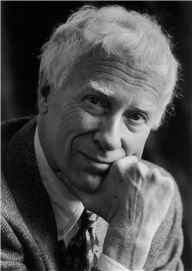 Nicholas Wolterstorffborn 1932 · Justice: Rights and Wrongs
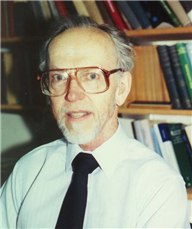 William Alston1921–2009 · Perceiving God: The Epistemology of Religious Experience
Where it leans
About what is real and how we know. Positions are our estimates; philosophers argue about where many schools belong.
Most unusual position
74%On spirit or matter, it leans further toward spirit than 74% of the 135 schools on the map.
Middle of all schools on the map: 39 · This school: 15 (0 = Spirit, 100 = Matter)
Most typical position
FactsOn facts (subjective or objective), it is nearest to the other schools on the map, though still not in the middle.
Middle of all schools on the map: 79 · This school: 90 (0 = subjective, 100 = objective)
Where it comes from
What came before Reformed Epistemology and led into it, and what grew out of it. Only links that historians agree on.
Came before it
- Calvin's 'sense of the divine' (16th century)
- Thomas Reid's theory of inborn belief-forming faculties (18th century)
- Abraham Kuyper's Reformed thought
- Plantinga, God and Other Minds (1967)
Grew out of it
- Alston, Perceiving God (1991)
- Plantinga, Warrant (1993) and Warranted Christian Belief (2000)
- The 'Great Pumpkin' objection and its debate
One thing to practise
A real practice from Reformed Epistemology, to try this week. Described in our words.
Christian mystical practice (taking experiences of God as perceptions)
When you have an experience that seems to show God at work, such as a sense of being forgiven or cared for, form the belief it suggests. Treat it as you treat ordinary sight: trusted unless you have a real reason to doubt it. Do not demand of it a proof you would not demand of your senses.
From: William Alston, Perceiving God (1991), and his essays in Faith and Rationality (1983)
Its strongest argument
The best case Reformed Epistemology makes against people who see the world very differently, in two sentences. People whose furthest school this is see it on their result.
The evidentialist says belief in God is irrational without proof. But by that test, belief in other minds, in the past, or that the world is older than five minutes would also be irrational, since the arguments for them are weak, yet everyone rightly holds them. A belief is innocent until proved guilty, so to the sceptic it says: show why your standard does not sink your own everyday beliefs first.
The argument in our own words, not a quotation.
Where it sits
On the maps
Each map puts two scales side by side. Each small square is a school, at its exact spot; its name shows where there is room. For the others, point at the square, or tap it once on a phone. The first, Reality & truth, puts spirit or matter across and subjective or objective up and down. Click a school, or tap it again, to open it.
Swipe sideways to see the whole chart.
Thinkers in this school
Pictured thinkers nearest this spot on the map
Neighbours on the map
The six schools closest to this one.
- Transcendent PhilosophyMulla Sadra's school: existence itself is the one reality, in degrees; all things keep moving toward God, and philosophy joins reasoning, mystical insight and scripture.
- Mu'tazilaEarly Islamic rationalist theology: God is one and perfectly just, so humans freely create their own acts, and reason can tell good from evil.
- ScholasticismThe medieval method of settling questions by careful logic, quoting authorities and answering every objection in turn.
- ThomismThomas Aquinas' joining of Aristotle and Christianity: reason and faith agree, and morality follows from human nature as God made it.
- HegelianismReality is spirit coming to know itself through history, as each idea meets its opposite and both are lifted into something higher.
- AugustinianismAugustine's view that people are fallen and need God's grace, and that true happiness is found only in God.
And you, where do you stand?
Take the quiz and see your match with Reformed Epistemology and the other 134 schools.
Take the quiz