In one sentence
God is dead, so I create my own values, overcome myself and say yes to life.
How someone from Nietzscheanism might sum up what they believe. Our summary, not a quotation.
Key thinkers
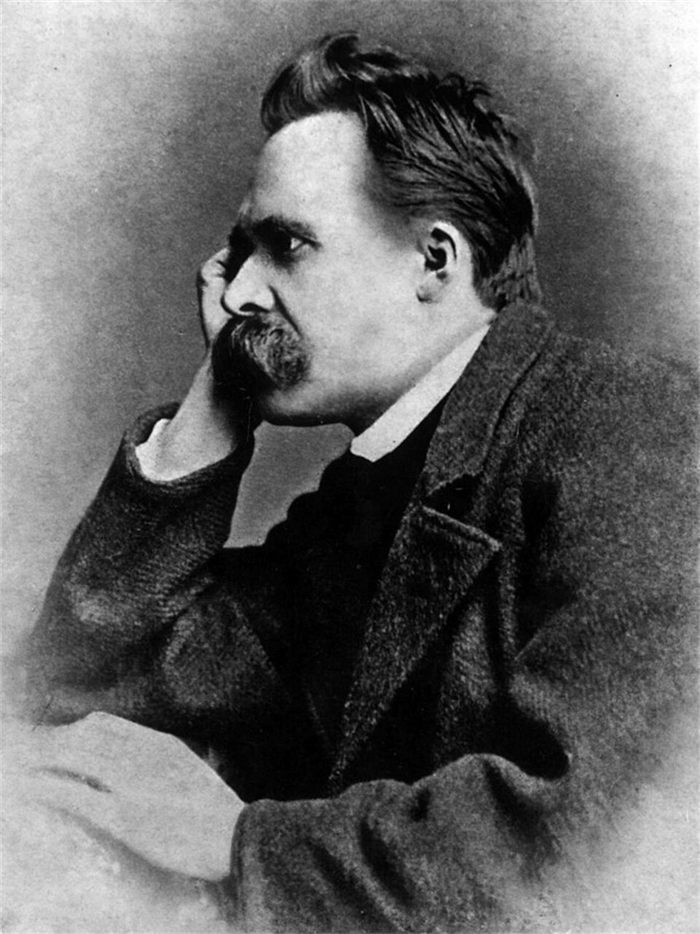
 Friedrich Nietzsche1844–1900 · Thus Spoke Zarathustra
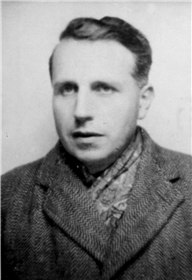 Georges Bataille1897–1962 · Erotism: Death and Sensuality
Where it leans
A whole worldview, about both. Positions are our estimates; philosophers argue about where many schools belong.
Most unusual position
89%On subjective or objective, it leans further toward subjective than 89% of the 135 schools on the map.
Middle of all schools on the map: 79 · This school: 25 (0 = Subjective, 100 = Objective)
Most typical position
Spirit or matterOn spirit or matter, it is nearest to the other schools on the map, though still not in the middle.
Middle of all schools on the map: 39 · This school: 75 (0 = Spirit, 100 = Matter)
Where it comes from
What came before Nietzscheanism and led into it, and what grew out of it. Only links that historians agree on.
Came before it
- Heraclitus (about 500 BC)
- Arthur Schopenhauer, The World as Will and Representation (1818)
- Ralph Waldo Emerson, Essays (1841)
Grew out of it
- Martin Heidegger, lectures on Nietzsche (1936 to 1940)
- Albert Camus and Jean-Paul Sartre (Existentialism, 1940s)
- Gilles Deleuze, Nietzsche and Philosophy (1962)
- Michel Foucault, genealogy (1970s)
One thing to practise
A real practice from Nietzscheanism, to try this week. Described in our words.
The eternal return test
Imagine you had to live your life exactly as it is, every joy and pain in the same order, over and over forever. Ask whether you would curse that thought or welcome it, and let the answer show you what to change.
From: Friedrich Nietzsche, The Gay Science (1882), section 341
Its strongest argument
The best case Nietzscheanism makes against people who see the world very differently, in two sentences. People whose furthest school this is see it on their result.
Nietzsche argued that a morality praising meekness, pity and self-denial was shaped by the weak to make the strong feel guilty, so many values we call good may be resentment in disguise. So if you follow rules mainly because you were taught they are good, Nietzsche would ask where they came from, and whether they make you stronger or smaller.
The argument in our own words, not a quotation.
Where it sits
On the maps
Each map puts two scales side by side. Each small square is a school, at its exact spot; its name shows where there is room. For the others, point at the square, or tap it once on a phone. The first, Reality & truth, puts spirit or matter across and subjective or objective up and down. Click a school, or tap it again, to open it.
Swipe sideways to see the whole chart.
Thinkers in this school
Pictured thinkers nearest this spot on the map
Neighbours on the map
The six schools closest to this one.
- EgoismMax Stirner's view: God, the state and morality are "spooks", and the individual should be their own master, answering to nothing above themselves.
- Cyrenaic HedonismPleasure of the moment, especially bodily pleasure, is the only good; seize it now.
- SophistsAncient Greek teachers who were paid to teach persuasion and how to succeed; the best known, Protagoras, said "man is the measure of all things", making truth depend on the person.
- PoststructuralismMeaning is never fixed; language, power and history shape what counts as true or normal.
- PragmatismAn idea is true if it works in practice; judge beliefs by their consequences for living.
- ExistentialismExistence comes before essence: there is no given human nature, so you make yourself through your choices.
And you, where do you stand?
Take the quiz and see your match with Nietzscheanism and the other 134 schools.
Take the quiz