5 members on this site
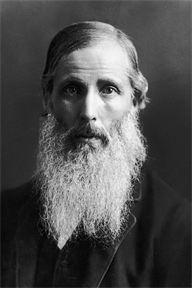 Henry Sidgwick1838–1900 · UtilitarianismPart of it from 1882 · end not recorded
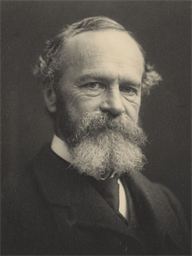 William James1842–1910 · PragmatismPart of it by 1894 · end not recorded
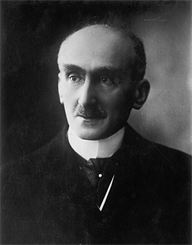 Henri Bergson1859–1941 · VitalismPart of it by 1913 · end not recorded
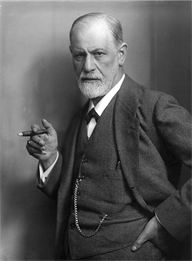 Sigmund Freud1856–1939 · PsychoanalysisPart of it from 1911 · end not recorded
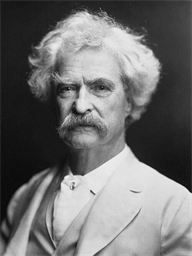 Mark Twain1835–1910 · Hard DeterminismYears not recorded
Came, but disagreed
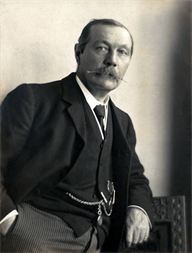 Arthur Conan Doyle1859–1930 · A spiritualist who resigned in 1930, in protest at what he saw as its too strict standards of proof.Part of it 1893–1930 · broke with itresigned in protest at its strict standards of proof
Where the circle leans
The average of its members on each scale where two or more of them have a position and they roughly agree. Left out because the members split: values: subjective or objective (Sigmund Freud toward subjective, Henry Sidgwick toward objective); free will or determinism (Henri Bergson toward free will, Mark Twain toward determinism); reason or experience (Henri Bergson toward reason, Sigmund Freud toward experience); God: exists, or not (William James toward God existing, Sigmund Freud toward no God); method: logic and analysis, or lived experience (Henry Sidgwick toward logic and analysis, Henri Bergson toward lived experience).
Side by side with you
Black dot: the circle, at the average of its members. Red ring: you.
On the maps
Each map puts two scales side by side. Each small square is a school, at its exact spot; its name shows where there is room. For the others, point at the square, or tap it once on a phone. Click a school, or tap it again, to open it.
Swipe sideways to see the whole chart.
Closest circles
Sources
Where the list of members comes from: the exact words on each page.
The Society for Psychical Research ( SPR ) is a nonprofit organisation in the United Kingdom
wikipedia.orgIts stated purpose is to understand events and abilities commonly described as psychic or paranormal
wikipedia.orgThe SPR was formally constituted on 20 February 1882 with philosopher Henry Sidgwick as its first president
wikipedia.orgto approach these varied problems without prejudice or prepossession of any kind
wikipedia.orgIt does not, however, since its inception in 1882, hold any corporate opinions
wikipedia.orgled to the exposure of many fraudulent mediums
wikipedia.orgArthur Conan Doyle led a mass resignation of eighty-four members of the Society for Psychical Research, as they believed the Society was opposed to spiritualism
wikipedia.orgSome other early members included the author Jane Barlow, the renowned chemist Sir William Crookes, physicist Sir Oliver Lodge, Nobel laureate Charles Richet, artist Lewis Charles Powles and psychologist William James
wikipedia.org1894–95 William James (1842–1910) Professor, Harvard University
wikipedia.org1913 Henri Bergson (1859–1941) Professor, Collège de France
wikipedia.orgto the point of becoming a member of the British Society for Psychical Research in 1911
wikipedia.orgTwain was an early member of the Society for Psychical Research
wikipedia.orgSpiritualist Arthur Conan Doyle resigned from the SPR in 1930, to protest what he regarded as the SPR’s overly restrictive standards of proof
wikipedia.org
And you, where do you stand?
Take the quiz and see your match with The Society for Psychical Research and the other circles.
Take the quiz