9 members on this site
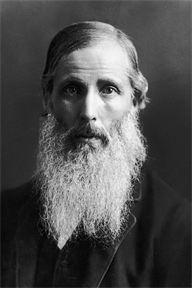 Henry Sidgwick1838–1900 · UtilitarianismPart of it from 1856 · end not recorded
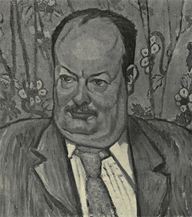 J. M. E. McTaggart1866–1925 · IdealismPart of it from 1886 · end not recorded
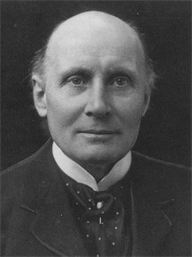 Alfred North Whitehead1861–1947 · Process PhilosophyPart of it from 1884 · end not recorded
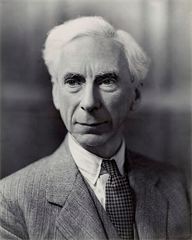 Bertrand Russell1872–1970 · EmpiricismPart of it from early 1890s · end not recorded
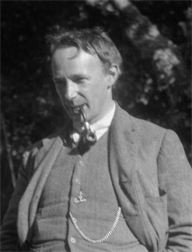 G. E. Moore1873–1958 · Common Sense RealismPart of it 1894–1901 · moved on
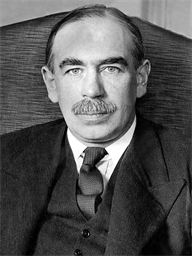 John Maynard Keynes1883–1946Part of it from 1903 · until death
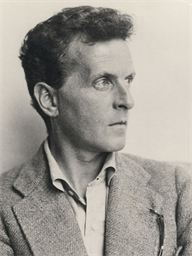 Ludwig Wittgenstein1889–1951 · Ordinary Language PhilosophyPart of it 1912 · broke with itresigned at once; came back to meetings in the 1920s
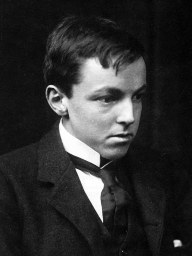 G. H. Hardy1877–1947 · PlatonismYears not recorded
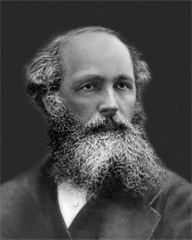 James Clerk Maxwell1831–1879Years not recorded
Where the circle leans
The average of its members on each scale where two or more of them have a position and they roughly agree. Left out because the members split: values: subjective or objective (Ludwig Wittgenstein toward subjective, G. E. Moore toward objective); reason or experience (J. M. E. McTaggart toward reason, James Clerk Maxwell toward experience); God: exists, or not (James Clerk Maxwell toward God existing, J. M. E. McTaggart toward no God).
Side by side with you
Black dot: the circle, at the average of its members. Red ring: you.
On the maps
Each map puts two scales side by side. Each small square is a school, at its exact spot; its name shows where there is room. For the others, point at the square, or tap it once on a phone. Click a school, or tap it again, to open it.
Swipe sideways to see the whole chart.
Closest circles
Sources
Where the list of members comes from: the exact words on each page.
is or was an intellectual society at the University of Cambridge founded in 1820 by George Tomlinson
wikipedia.orgSecret society at the University of Cambridge
wikipedia.orgThere are only twelve members at any given time, and membership is secret
wikipedia.orgThe members would meet weekly to eat ‘whales’ (anchovies or sardines on toast) and discuss an essay written by a member
wikipedia.orgquestions of philosophy, politics, ethics, governance, and religion
wikipedia.orgBertrand Russell and G. E. Moore joined as students, as did John Maynard Keynes, who invited Ludwig Wittgenstein to join
wikipedia.orgWittgenstein was admitted in 1912 but resigned almost immediately
wikipedia.orgHe rejoined in the 1920s when he returned to Cambridge
wikipedia.orgHenry Sidgwick Trinity Philosopher and economist
wikipedia.orgJ. M. E. McTaggart Trinity Metaphysician and philosopher
wikipedia.orgAlfred North Whitehead 17 May 1884 Trinity Mathematician and philosopher
wikipedia.orgG. H. Hardy Trinity Mathematician
wikipedia.orgJames Clerk Maxwell Trinity Physicist
wikipedia.org
And you, where do you stand?
Take the quiz and see your match with The Cambridge Apostles and the other circles.
Take the quiz