8 members on this site
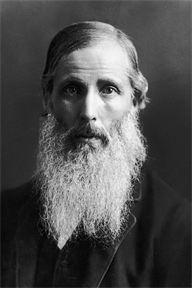 Henry Sidgwick1838–1900 · UtilitarianismPart of it by 1885 · end not recorded
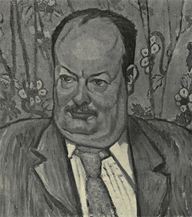 J. M. E. McTaggart1866–1925 · IdealismPart of it from 1886 · end not recorded
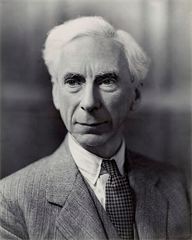 Bertrand Russell1872–1970 · EmpiricismPart of it by c. 1913 · end not recorded
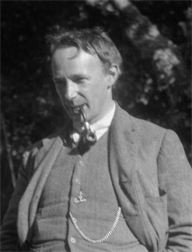 G. E. Moore1873–1958 · Common Sense RealismPart of it by 1898 · end not recorded
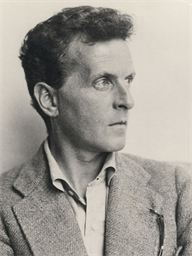 Ludwig Wittgenstein1889–1951 · Ordinary Language PhilosophyPart of it from 1912 · end not recorded
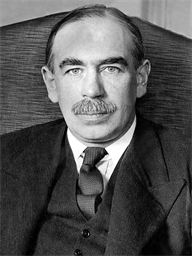 John Maynard Keynes1883–1946Years not recorded
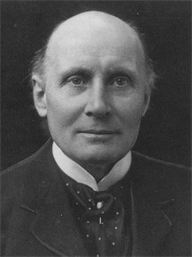 Alfred North Whitehead1861–1947 · Process PhilosophyYears not recorded
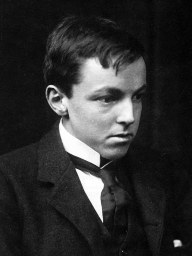 G. H. Hardy1877–1947 · PlatonismYears not recorded
Where the circle leans
The average of its members on each scale where two or more of them have a position and they roughly agree. Left out because the members split: values: subjective or objective (Ludwig Wittgenstein toward subjective, G. E. Moore toward objective); God: exists, or not (Alfred North Whitehead toward God existing, J. M. E. McTaggart toward no God).
Side by side with you
Black dot: the circle, at the average of its members. Red ring: you.
On the maps
Each map puts two scales side by side. Each small square is a school, at its exact spot; its name shows where there is room. For the others, point at the square, or tap it once on a phone. Click a school, or tap it again, to open it.
Swipe sideways to see the whole chart.
Closest circles
Sources
Where the list of members comes from: the exact words on each page.
founded in October 1878, is a philosophy discussion group that meets weekly at the University of Cambridge during term time
wikipedia.orgThe club has been highly influential in analytic philosophy
wikipedia.orgMembers have included many of British philosophy’s top names, such as Henry Sidgwick, J.M.E. McTaggart, Bertrand Russell, G.E. Moore, and Ludwig Wittgenstein
wikipedia.orgSeveral other Apostles joined the club over the years — including Bertrand Russell, John Maynard Keynes, A.N. Whitehead, G. Lowes Dickinson, G.H. Hardy
wikipedia.orgIt was during a meeting of the Moral Sciences Club in October 1946 that Wittgenstein famously waved a poker at Sir Karl Popper during a heated discussion about whether philosophical problems are real or just linguistic games
wikipedia.orgthe evening’s guest speaker, Karl Popper
wikipedia.org
And you, where do you stand?
Take the quiz and see your match with The Moral Sciences Club and the other circles.
Take the quiz