In one sentence
To me, a mental state is defined by the job it does between input and behaviour, not by what it is made of.
How someone from Functionalism might sum up what they believe. Our summary, not a quotation.
Key thinkers
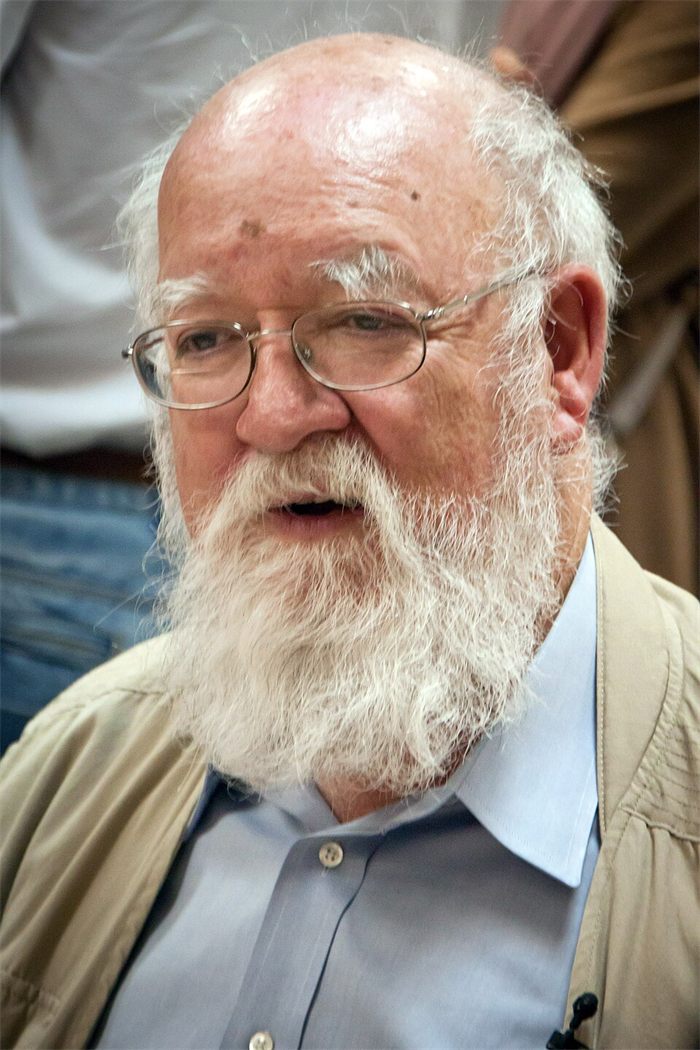
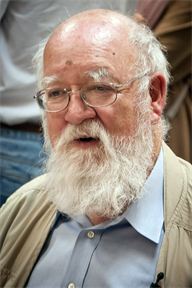 Daniel Dennett1942–2024 · Consciousness Explained
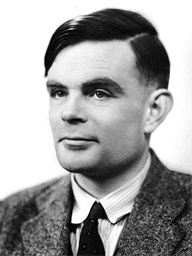 Alan Turing1912–1954 · Computing Machinery and Intelligence
Where it leans
About what is real and how we know. Positions are our estimates; philosophers argue about where many schools belong.
Most unusual position
86%On spirit or matter, it leans further toward matter than 86% of the 135 schools on the map.
Middle of all schools on the map: 39 · This school: 88 (0 = Spirit, 100 = Matter)
Most typical position
FactsOn facts (subjective or objective), it sits close to the middle of the schools on the map.
Middle of all schools on the map: 79 · This school: 83 (0 = subjective, 100 = objective)
Where it comes from
What came before Functionalism and led into it, and what grew out of it. Only links that historians agree on.
Came before it
- Aristotle, the soul as what a living body does (4th century BC)
- Gilbert Ryle, The Concept of Mind (1949)
- Alan Turing, Computing Machinery and Intelligence (1950)
- Hilary Putnam, Minds and Machines (1960) and The Nature of Mental States (1967)
Grew out of it
- David Lewis and David Armstrong, analytic functionalism (late 1960s)
- Jerry Fodor, The Language of Thought (1975)
- Cognitive science (from the 1970s)
One thing to practise
A real practice from Functionalism, to try this week. Described in our words.
The imitation game
Chat by text with a person and a chatbot without knowing which is which, and see whether their answers alone let you tell them apart. Turing proposed replacing the question of whether machines think with this test of what they do.
From: Alan Turing, Computing Machinery and Intelligence, Mind (1950)
Its strongest argument
The best case Functionalism makes against people who see the world very differently, in two sentences. People whose furthest school this is see it on their result.
Pain in a human, an octopus or a future robot is made of different stuff, yet it does the same job, caused by damage and causing escape, so a mind is what it does, not what it is made of. So if you tie the mind to a soul or brain tissue, why would the same work in other stuff not count?
The argument in our own words, not a quotation.
Where it sits
On the maps
Each map puts two scales side by side. Each small square is a school, at its exact spot; its name shows where there is room. For the others, point at the square, or tap it once on a phone. The first, Reality & truth, puts spirit or matter across and subjective or objective up and down. Click a school, or tap it again, to open it.
Swipe sideways to see the whole chart.
Thinkers in this school
Pictured thinkers nearest this spot on the map
Neighbours on the map
The six schools closest to this one.
- Moral Error TheoryMoral claims try to state objective facts, but there are none, so they are all false.
- BehaviorismPsychology should study what people do, not hidden inner states; the mind shows itself in behaviour.
- TranshumanismUse science and technology to overcome ageing, death and the limits of the human body and mind, so that humans can grow into something more than human.
- Effective AccelerationismSpeed up technology, above all AI, as fast as possible, because growth and intelligence follow the universe's own push and will solve humanity's problems.
- Dialectical MaterialismMarx and Engels' view that matter comes first and that history moves through the conflict of opposing forces.
- NaturalismNature is all there is, and everything, including mind and morality, can be explained by natural causes.
And you, where do you stand?
Take the quiz and see your match with Functionalism and the other 134 schools.
Take the quiz