In one sentence
Everyday talk of the mind is a false theory: "beliefs" and "desires" don't really exist, and brain science will replace them.
How someone from Eliminative Materialism might sum up what they believe. Our summary, not a quotation.
Key thinkers
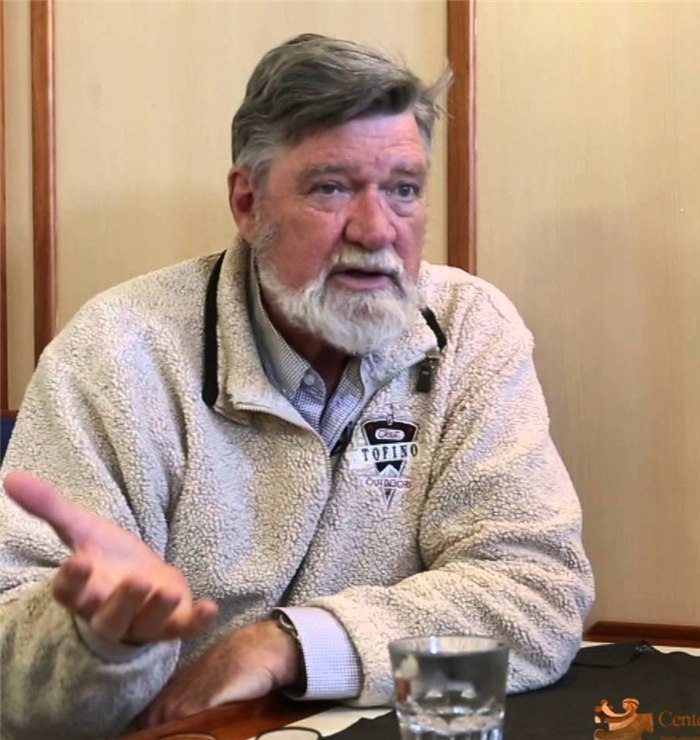
 Paul Churchlandborn 1942 · Eliminative Materialism and the Propositional Attitudes
 Patricia Churchlandborn 1943 · Neurophilosophy: Toward a Unified Science of the Mind-Brain
Where it leans
About what is real and how we know. Positions are our estimates; philosophers argue about where many schools belong.
Most unusual position
99%On spirit or matter, it leans further toward matter than 99% of the 135 schools on the map.
Middle of all schools on the map: 39 · This school: 98 (0 = Spirit, 100 = Matter)
Most typical position
FactsOn facts (subjective or objective), it is nearest to the other schools on the map, though still not in the middle.
Middle of all schools on the map: 79 · This school: 88 (0 = subjective, 100 = objective)
Where it comes from
What came before Eliminative Materialism and led into it, and what grew out of it. Only links that historians agree on.
Came before it
- W. V. O. Quine (mid-20th century)
- Wilfrid Sellars, Empiricism and the Philosophy of Mind (1956)
- Paul Feyerabend and Richard Rorty (1960s)
Grew out of it
- Paul Churchland, Eliminative Materialism and the Propositional Attitudes (1981)
- Patricia Churchland, Neurophilosophy (1986)
- Daniel Dennett, Quining Qualia (1988)
- Keith Frankish and illusionism about consciousness (2016)
One thing to practise
A real practice from Eliminative Materialism, to try this week. Described in our words.
Grade folk psychology like a theory
List the things everyday mind-talk cannot explain well, such as sleep, memory, learning and mental illness. Then ask whether that way of talking has improved since ancient Greece, as any healthy theory should.
From: Paul Churchland, Eliminative Materialism and the Propositional Attitudes, Journal of Philosophy (1981)
Its strongest argument
The best case Eliminative Materialism makes against people who see the world very differently, in two sentences. People whose furthest school this is see it on their result.
Everyday talk of beliefs and desires is itself a theory of how people work, and past theories of everyday life, like caloric fluid for heat or demons for disease, were dropped rather than confirmed once science looked closer. So if you treat your inner life as plainly obvious, you may be trusting an old theory that brain science will replace.
The argument in our own words, not a quotation.
Where it sits
On the maps
Each map puts two scales side by side. Each small square is a school, at its exact spot; its name shows where there is room. For the others, point at the square, or tap it once on a phone. The first, Reality & truth, puts spirit or matter across and subjective or objective up and down. Click a school, or tap it again, to open it.
Swipe sideways to see the whole chart.
Thinkers in this school
Pictured thinkers nearest this spot on the map
Neighbours on the map
The six schools closest to this one.
- MarxismThe economy shapes ideas and politics; history is class struggle, ending in a classless society.
- NihilismLife has no built-in meaning, value or purpose.
- PhysicalismEverything that exists is physical, or depends completely on the physical.
- MechanismThe universe works like a machine, explained completely by matter in motion following fixed laws.
- ScientismScience is the only reliable route to knowledge; any claim it cannot test is not real knowledge.
- NaturalismNature is all there is, and everything, including mind and morality, can be explained by natural causes.
And you, where do you stand?
Take the quiz and see your match with Eliminative Materialism and the other 134 schools.
Take the quiz