The two camps
The Stoics taught that “virtue is the only good” and that health, wealth and pleasure are neither good nor bad in themselves; Epicurus held pleasure to be the chief good and pain the chief evil, and the absence of pain and fear the greatest pleasure.
In our words.
A. The Stoics
Placed at the average of these 4 people. Their school on this site: Stoicism.
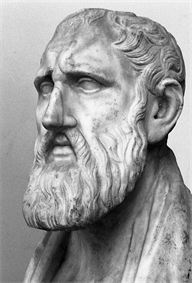 Zeno of Citiumc. 334–262 BC
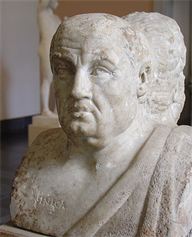 Seneca the Youngerc. 4 BC–AD 65
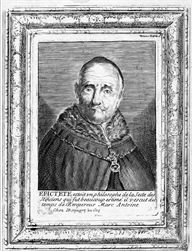 Epictetusc. 50–135
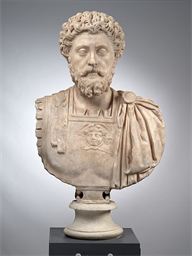 Marcus Aurelius121–180
B. The Epicureans
Placed at the average of these 2 people. Their school on this site: Epicureanism.
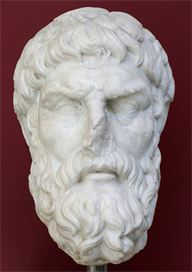 Epicurus341–270 BC
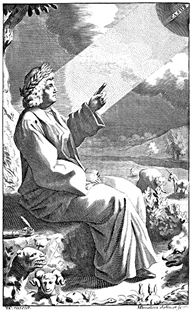 Lucretiusc. 99–55 BC
Where they part ways
Each scale both camps have a position on, the biggest gap first.
The StoicsThe Epicureans
The big letters are each camp's average; the small dots are its members (filled: The Stoics, open: The Epicureans). A camp whose members are far apart on a scale is marked split.
Your side
Take the quiz to see which camp you would have joined.
Sources
Where each camp comes from: the exact words on each page.
Stoicism was founded in the ancient Agora of Athens by Zeno of Citium around 300 BCE, and flourished throughout the Greco-Roman world until the 3rd century CE
wikipedia.orgthe Late Stoa, including Musonius Rufus, Seneca, Epictetus, and Marcus Aurelius
wikipedia.orga school of philosophy founded in 307 BC and based upon the teachings of Epicurus
wikipedia.orgthe most well-known follower of Epicureanism was the Roman poet Titus Lucretius Carus (c. 91-51 BC)
wikipedia.orgEpicureanism was originally a challenge to Platonism, and its main opponent later became Stoicism
wikipedia.orgThe Stoics are especially known for teaching that ‘virtue is the only good’ for human beings, and that external things, such as health, wealth, and pleasure, are not good or bad in themselves
wikipedia.orgseeing pleasure as the chief good in life and pain as the chief evil
wikipedia.orgUnlike other schools which considered virtue the supreme good such as Stoicism, he considered the virtues to be an instrumental but essential good to living a pleasant life
wikipedia.orgthe absence of pain and fear constitutes the greatest pleasure
wikipedia.orgEpicurean ideas on politics disagree with other philosophical traditions, namely the Stoic, Platonist and Aristotelian traditions
wikipedia.orgUnlike the Epicureans, Zeno chose to teach his philosophy in a public space
wikipedia.org
And you, where do you stand?
Take the quiz and see which side of Stoics or Epicureans you are on.
Take the quiz