3 members on this site
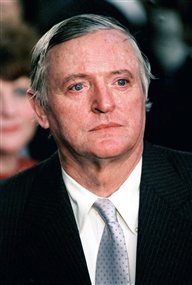 William F. Buckley Jr.1925–2008Part of it 1955–1990 · moved onretired from running it; gave up control in 2004
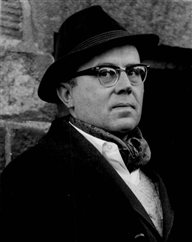 Russell Kirk1918–1994 · ConservatismPart of it from 1955 · moved onwrote a column there for 25 years
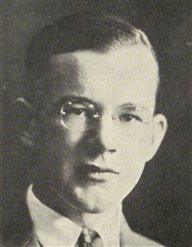 James Burnham1905–1987Part of it from 1955 · until death
Where the circle leans
The average of its members on each scale where two or more of them have a position and they roughly agree. Left out because the members split: spirit or matter (William F. Buckley Jr. toward spirit, James Burnham toward matter); God: exists, or not (William F. Buckley Jr. toward God existing, James Burnham toward no God).
Side by side with you
Black dot: the circle, at the average of its members. Red ring: you.
On the maps
Each map puts two scales side by side. Each small square is a school, at its exact spot; its name shows where there is room. For the others, point at the square, or tap it once on a phone. Click a school, or tap it again, to open it.
Swipe sideways to see the whole chart.
Closest circles
Sources
Where the list of members comes from: the exact words on each page.
National Review is an American conservative editorial magazine
wikipedia.orgThe magazine was founded by William F. Buckley Jr. in 1955
wikipedia.orgSince its founding, the magazine has played a significant role in the development of conservatism in the United States
wikipedia.orgBased in New York City
wikipedia.orgBuckley assembled an eclectic group of writers: traditionalists, Catholic intellectuals, libertarians, and anti-communists
wikipedia.orgThe group included Revilo P. Oliver, Russell Kirk, James Burnham, Frank Meyer, and Willmoore Kendall
wikipedia.orgBuckley sought out intellectuals who were ex-Communists or had once worked on the far left
wikipedia.orgWhen James Burnham became one of the original senior editors, he urged the adoption of a more pragmatic editorial position that would extend the influence of the magazine toward the political center
wikipedia.org
And you, where do you stand?
Take the quiz and see your match with The founders of National Review and the other circles.
Take the quiz