5 members on this site
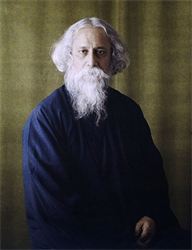 Rabindranath Tagore1861–1941Until it ended
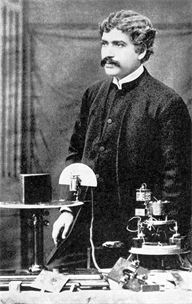 Jagadish Chandra Bose1858–1937Years not recorded
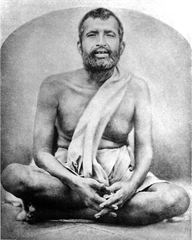 Ramakrishna1836–1886 · Advaita VedantaYears not recorded
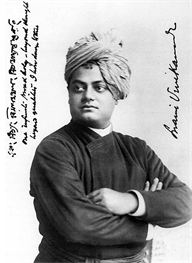 Swami Vivekananda1863–1902 · Advaita VedantaYears not recorded
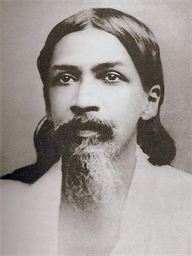 Sri Aurobindo1872–1950 · Integral YogaYears not recorded
Where the circle leans
Spirit or matterVery strong · Spirit
Spirit 86%Matter 14%
Facts: subjective or objectiveLeaning · Objective
Subjective 31%Objective 69%
Values: subjective or objectiveVery strong · Objective
Subjective 13%Objective 87%
Individual or collectiveBalanced
Individual 47%Collective 53%
Separate from the highest, or one with itStrong · All is one
Separate 16%All is one 84%
Inner life: real, or explained away by the brainVery strong · Mind is real
Mind is real 90%Mind explained away 10%
Life: meaning, or none at allVery strong · Life has meaning
Life has meaning 95%No meaning at all 5%
The way to the highest: own effort, or graceBalanced
By my own effort 50%By grace 50%
The good life: pleasure, or virtue and dutyVery strong · Virtue and duty
Pleasure is the good 7%Virtue and duty 93%
God: exists, or notVery strong · God exists
God exists 85%No God 15%
Knowledge: we can know, or suspend judgmentStrong · We can know
We can know 80%Suspend judgment 20%
The average of its members on each scale where two or more of them have a position and they roughly agree. Left out because the members split: reason or experience (Sri Aurobindo toward reason, Jagadish Chandra Bose toward experience).
Side by side with you
Black dot: the circle, at the average of its members. Red ring: you.
On the maps
Each map puts two scales side by side. Each small square is a school, at its exact spot; its name shows where there is room. For the others, point at the square, or tap it once on a phone. Click a school, or tap it again, to open it.
Swipe sideways to see the whole chart.
Closest circles
Sources
Where the list of members comes from: the exact words on each page.
was a cultural, social, intellectual, and artistic movement that took place in the Bengal region of the British Raj, from the late 18th century to the early 20th century
wikipedia.orgThe movement questioned the existing customs and rituals in Indian society – most notably, the caste system, and the practice of sati, idolatry – as well as the role of religion and colonial governance
wikipedia.orgThe Bengali Renaissance also led to religious reform movements
wikipedia.orgWell-known figures include the social reformer Raja Rammohan Roy, philanthropist Rani Rashmoni, poet Rabindranath Tagore, and the physicist Jagdish Chandra Bose
wikipedia.orgBengal Renaissance People Sri Aurobindo Atul Prasad Sen
wikipedia.orgDebendra Mohan Bose Jagadish Chandra Bose Subhash Chandra Bose
wikipedia.orgHarish Chandra Mukherjee Ramakrishna Paramahamsa
wikipedia.orgIshwar Chandra Vidyasagar Swami Vivekananda Paramahansa Yogananda
wikipedia.org
And you, where do you stand?
Take the quiz and see your match with The Bengal Renaissance and the other circles.
Take the quiz