3 members on this site
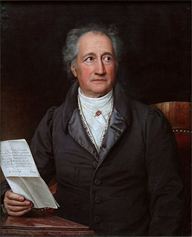 Johann Wolfgang von Goethe1749–1832 · PantheismPart of it from 1770 · moved onended it by starting Weimar Classicism
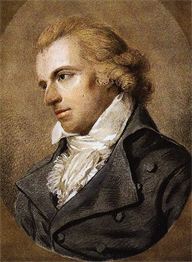 Friedrich Schiller1759–1805 · KantianismPart of it from 1781 · moved onended it by starting Weimar Classicism
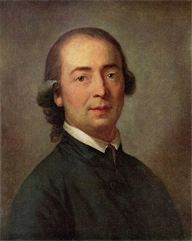 Johann Gottfried Herder1744–1803 · HermeneuticsPart of it from 1770 · end not recorded
Where the circle leans
Spirit or matterStrong · Spirit
Spirit 72%Matter 28%
Facts: subjective or objectiveLeaning · Objective
Subjective 43%Objective 57%
Values: subjective or objectiveLeaning · Objective
Subjective 33%Objective 67%
Individual or collectiveLeaning · Collective
Individual 37%Collective 63%
Reason or experienceLeaning · Experience
Reason 37%Experience 63%
Separate from the highest, or one with itStrong · All is one
Separate 20%All is one 80%
The way to the highest: own effort, or graceStrong · By my own effort
By my own effort 75%By grace 25%
The average of its members on each scale where two or more of them have a position and they roughly agree.
Side by side with you
Black dot: the circle, at the average of its members. Red ring: you.
On the maps
Each map puts two scales side by side. Each small square is a school, at its exact spot; its name shows where there is room. For the others, point at the square, or tap it once on a phone. Click a school, or tap it again, to open it.
Swipe sideways to see the whole chart.
Closest circles
Sources
Where the list of members comes from: the exact words on each page.
was a proto- Romanticist movement in German literature and music that occurred between the late 1760s and early 1780s
wikipedia.orgindividual subjectivity and, in particular, extremes of emotion were given free expression in reaction to the perceived constraints of rationalism imposed by the Enlightenment
wikipedia.orgJohann Wolfgang von Goethe and Friedrich Schiller were notable proponents of the movement early in their lives, although they ended their period of association with it by initiating what would become Weimar Classicism
wikipedia.orgMajor philosophical/theoretical influences on the literary Sturm und Drang movement were Johann Georg Hamann
wikipedia.organd Johann Gottfried Herder, both from Königsberg
wikipedia.orgOne point of view would limit the movement to Goethe, Johann Gottfried Herder, Jakob Michael Reinhold Lenz
wikipedia.orga collection of essays that included commentaries by Herder on Ossian and Shakespeare, along with contributions by Goethe
wikipedia.org
And you, where do you stand?
Take the quiz and see your match with Sturm und Drang and the other circles.
Take the quiz