The two camps
British idealism, a branch of absolute idealism, was influential in Britain from the mid-nineteenth to the early twentieth century; Bradley was its most famous figure, and McTaggart its most influential advocate in Cambridge. Moore and Russell, who were educated in that tradition, turned against it: Moore defended a “common sense” kind of realism, and Russell rejected monism and idealism for logical analysis and pluralism, and attacked what he called the doctrine of internal relations. Bradley and McTaggart, the most prominent surviving idealists, were the main targets. These attacks, together with anti-German feeling after the First World War, left British idealism out of favour.
In our words.
A. Moore and Russell
Placed at the average of these 2 people.
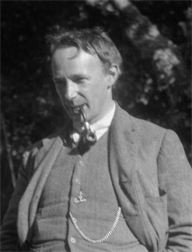 G. E. Moore1873–1958
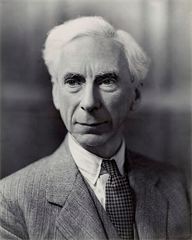 Bertrand Russell1872–1970
B. The British Idealists
Placed at the average of these 2 people.
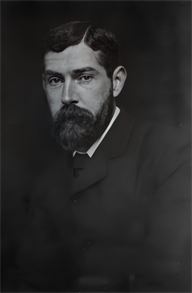 F. H. Bradley1846–1924
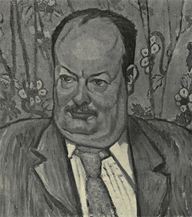 J. M. E. McTaggart1866–1925
Where they part ways
Each scale both camps have a position on, the biggest gap first.
Moore and RussellThe British Idealists
The big letters are each camp's average; the small dots are its members (filled: Moore and Russell, open: The British Idealists). A camp whose members are far apart on a scale is marked split.
Your side
Take the quiz to see which camp you would have joined.
Sources
Where each camp comes from: the exact words on each page.
A subset of absolute idealism, British idealism was a philosophical movement that was influential in Britain from the mid-nineteenth century to the early twentieth century
wikipedia.orgF. H. Bradley, the most famous British idealist
wikipedia.orgThe hold of British idealism in the United Kingdom weakened when Bertrand Russell and G. E. Moore, who were educated in the British idealist tradition, turned against it
wikipedia.orghis differing with the idealism that dominated British philosophy (as represented by the works of F. H. Bradley and his former teacher J. M. E. McTaggart ), and his defence of what he regarded as a ‘common sense’ type of realism
wikipedia.orgIn Moore and Russell’s ‘revolt against idealism’, he rejected dialectic, monism, and idealism and championed logical analysis and pluralism
wikipedia.orgRussell was particularly critical of a doctrine he ascribed to idealism and coherentism, which he dubbed the doctrine of internal relations
wikipedia.orgThis revolt was echoed 30 years later in Vienna
wikipedia.orgMcTaggart was the most influential advocate of neo-Hegelian idealism in Cambridge at the time of Russell and Moore’s reaction against it
wikipedia.orgWith F. H. Bradley of Oxford he was, as the most prominent of the surviving British idealists, the primary target of the new realists’ assault
wikipedia.orgThe attacks of G. E. Moore and Bertrand Russell against ‘neo-Hegelianism,’ combined with the rise of anti-German sentiment and cultural morass brought upon by the First World War, resulted in British Idealism falling out of favor
wikipedia.org
And you, where do you stand?
Take the quiz and see which side of Moore and Russell or the British Idealists you are on.
Take the quiz