3 members on this site
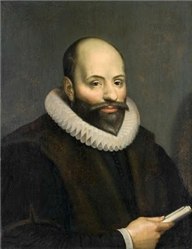 Jacobus Arminius1560–1609Until deathdied in 1609, before his followers’ 1610 Remonstrance
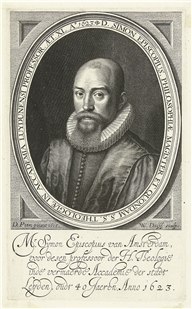 Simon Episcopius1583–1643Part of it from 1611 · until deathexpelled from the country in 1619, returned in 1626
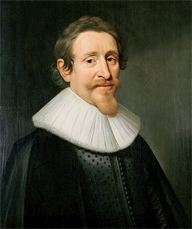 Hugo Grotius1583–1645 · Natural LawYears not recorded
Where the circle leans
Spirit or matterVery strong · Spirit
Spirit 85%Matter 15%
Values: subjective or objectiveVery strong · Objective
Subjective 10%Objective 90%
Free will or determinismVery strong · Free will
Free will 85%Determinism 15%
The way to the highest: own effort, or graceStrong · By grace
By my own effort 18%By grace 82%
God: exists, or notVery strong · God exists
God exists 97%No God 3%
The average of its members on each scale where two or more of them have a position and they roughly agree.
Side by side with you
Black dot: the circle, at the average of its members. Red ring: you.
On the maps
Each map puts two scales side by side. Each small square is a school, at its exact spot; its name shows where there is room. For the others, point at the square, or tap it once on a phone. Click a school, or tap it again, to open it.
Swipe sideways to see the whole chart.
Closest circles


Sources
Where the list of members comes from: the exact words on each page.
are a Protestant movement that split from the Dutch Reformed Church in the early 17th century
wikipedia.orgThe early Remonstrants supported Jacobus Arminius, and after his death, continued to maintain his original views, called Arminianism, against the proponents of Calvinism
wikipedia.orgIn 1610, Arminius’s followers presented to the States of Holland and Friesland the Five Articles of Remonstrance formulating their points of disagreement with Calvinism
wikipedia.orgCondemned by the synod of Dort (1618–1619)
wikipedia.orgafter expelling the thirteen Arminian pastors headed by Simon Episcopius
wikipedia.orgThe doctrine of the Remonstrants was embodied in 1621 in a Confession written by Episcopius
wikipedia.orgwhose views became the basis of Arminianism and the Dutch Remonstrant movement
wikipedia.orghis contributions to Arminian theology helped provide the seeds for later Arminian-based movements
wikipedia.orgGrotius played a decisive part in this politico-religious conflict between the Remonstrants, supporters of religious tolerance, and the orthodox Calvinists
wikipedia.orgHe was imprisoned in Loevestein Castle for his involvement in the controversies over religious policy of the Dutch Republic
wikipedia.org
And you, where do you stand?
Take the quiz and see your match with The Remonstrants and the other circles.
Take the quiz