6 members on this site
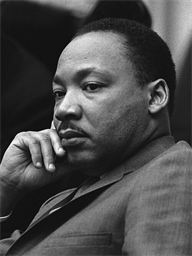 Martin Luther King Jr.1929–1968 · PersonalismPart of it from 1955 · until death
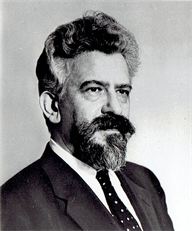 Abraham Joshua Heschel1907–1972 · Rabbinic JudaismTook part in 1965marched with King at Selma
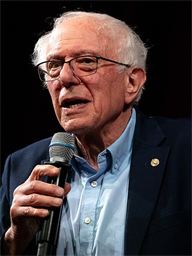 Bernie Sandersborn 1941Part of it from 1962 · end not recorded
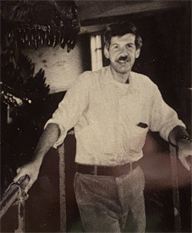 Stephen Jay Gould1941–2002Part of it from early 1960s · end not recorded
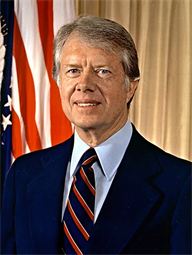 Jimmy Carter1924–2024Years not recordedstayed quiet at first to avoid alienating segregationist colleagues
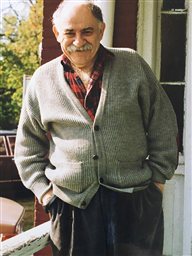 Murray Bookchin1921–2006Part of it from 1964 · end not recorded
Came, but disagreed
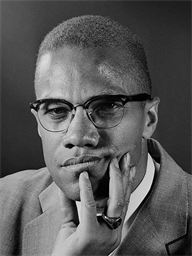 Malcolm X1925–1965 · Was invited to its meetings, but his ideas shaped the Black Power movement, which criticized its leaders as too moderate and step by step.Until death
Where the circle leans
The average of its members on each scale where two or more of them have a position and they roughly agree. Left out because the members split: spirit or matter (Martin Luther King Jr. toward spirit, Murray Bookchin toward matter); life: meaning, or none at all (Martin Luther King Jr. toward life having meaning, Stephen Jay Gould toward no meaning at all); God: exists, or not (Martin Luther King Jr. toward God existing, Murray Bookchin toward no God).
Side by side with you
Black dot: the circle, at the average of its members. Red ring: you.
On the maps
Each map puts two scales side by side. Each small square is a school, at its exact spot; its name shows where there is room. For the others, point at the square, or tap it once on a phone. Click a school, or tap it again, to open it.
Swipe sideways to see the whole chart.
Closest circles
Sources
Where the list of members comes from: the exact words on each page.
was a social movement in the United States from 1954 to 1968 which aimed to abolish legalized racial segregation, discrimination, and disenfranchisement in the country, which most commonly affected African Americans
wikipedia.orgmodern roots in the 1940s and in Mahatma Gandhi’s nonviolent movement in India
wikipedia.orgA mass movement for civil rights, led by Martin Luther King Jr. and others, began a campaign of nonviolent protests and civil disobedience including the Montgomery bus boycott
wikipedia.orgAbraham Joshua Heschel, a writer, rabbi, and professor of theology at the Jewish Theological Seminary of America in New York, was outspoken on the subject of civil rights
wikipedia.orgHe marched arm-in-arm with King in the 1965 Selma to Montgomery march
wikipedia.orgWhile a student, he was a protest organizer for the Congress of Racial Equality (CORE) and the Student Nonviolent Coordinating Committee (SNCC) during the civil rights movement
wikipedia.orgBranche invited Dick Gregory and Malcolm X to Chester to participate in the ‘Freedom Now Conference’
wikipedia.orgIt invited Malcolm X to speak at one of its conventions
wikipedia.orgGould was active in the civil rights movement and often campaigned for social justice
wikipedia.orgHe was active in the civil rights movement, then served as a state senator
wikipedia.orgduring his participation in the civil rights and related social movements
wikipedia.orgthe Black power movement emerged, shaped in significant part by the ideas and example of Malcolm X and the Black Panther Party, criticizing leaders of the civil rights movement for their moderate, incremental tendencies
wikipedia.org
And you, where do you stand?
Take the quiz and see your match with The civil rights movement and the other circles.
Take the quiz