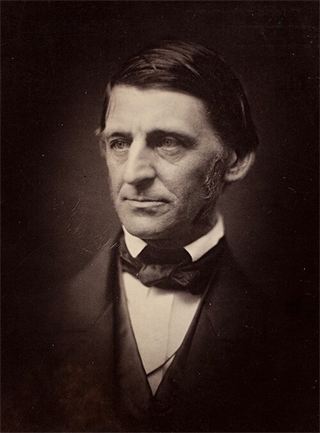
The author in one sentence
I believe the divine speaks through nature and through my own intuition, so I trust myself rather than custom or the crowd.
Ralph Waldo Emerson's view as we would sum it up in their voice. Our summary, not a quotation.
Where Ralph Waldo Emerson leans
Spirit or matterVery strong · Spirit
Spirit 95%Matter 5%
Values: subjective or objectiveStrong · Objective
Subjective 20%Objective 80%
Individual or collectiveVery strong · Individual
Individual 95%Collective 5%
Reason or experienceVery strong · Reason
Reason 85%Experience 15%
Separate from the highest, or one with itVery strong · All is one
Separate 5%All is one 95%
Inner life: real, or explained away by the brainVery strong · Mind is real
Mind is real 90%Mind explained away 10%
Life: meaning, or none at allVery strong · Life has meaning
Life has meaning 95%No meaning at all 5%
The way to the highest: own effort, or graceStrong · By my own effort
By my own effort 75%By grace 25%
The good life: pleasure, or virtue and dutyVery strong · Virtue and duty
Pleasure is the good 15%Virtue and duty 85%
God: exists, or notStrong · God exists
God exists 75%No God 25%
Knowledge: we can know, or suspend judgmentLeaning · Suspend judgment
We can know 40%Suspend judgment 60%

And you, where do you stand?
Take the quiz and see how close you are to Ralph Waldo Emerson.
Take the quiz