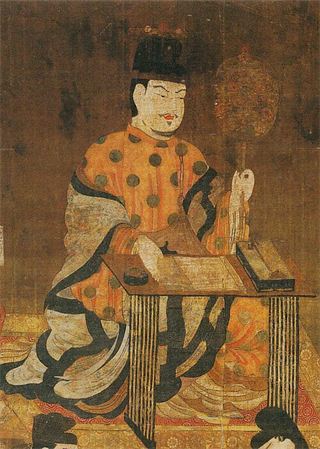
Prince Shōtoku in one sentence
I hold that harmony is to be valued above all, and that officials should revere the Buddha's teaching and set the public good above their own.
Prince Shōtoku's view as we would sum it up in their voice. Our summary, not a quotation.
The thinker behind it
 Prince Shōtoku574–622
Where Prince Shōtoku leans
Spirit or matterStrong · Spirit
Spirit 80%Matter 20%
Values: subjective or objectiveVery strong · Objective
Subjective 10%Objective 90%
Individual or collectiveVery strong · Collective
Individual 10%Collective 90%
Inner life: real, or explained away by the brainVery strong · Mind is real
Mind is real 90%Mind explained away 10%
Life: meaning, or none at allVery strong · Life has meaning
Life has meaning 95%No meaning at all 5%
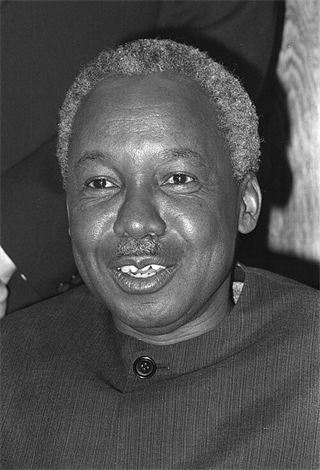
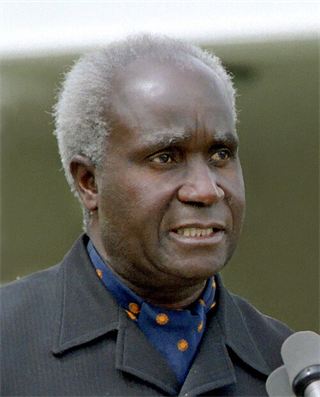

And you, where do you stand?
Take the quiz and see how close you are to Prince Shōtoku.
Take the quiz