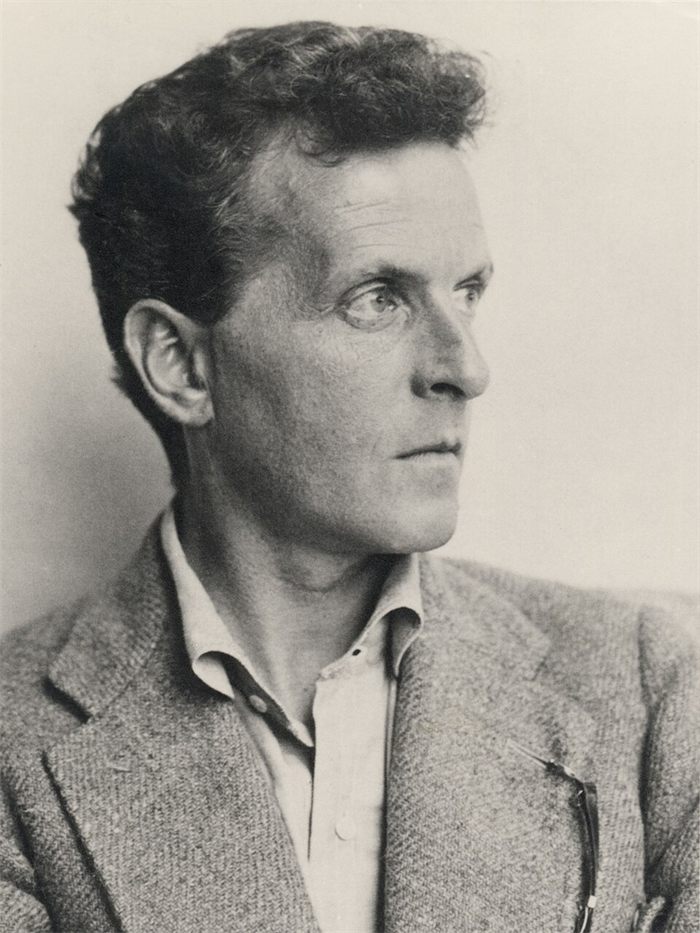
The author in one sentence
A word means what it does in our lives, so to understand it I look at how people actually use it, not for some hidden thing it names.
Ludwig Wittgenstein's view as we would sum it up in their voice. Our summary, not a quotation.
Where Ludwig Wittgenstein leans
Spirit or matterLeaning · Matter
Spirit 40%Matter 60%
Facts: subjective or objectiveBalanced
Subjective 50%Objective 50%
Values: subjective or objectiveStrong · Subjective
Subjective 75%Objective 25%
Reason or experienceLeaning · Experience
Reason 35%Experience 65%
Other minds: surely real, or only my own is sureVery strong · Others surely real
Others surely real 85%Only my mind is sure 15%
God: exists, or notStrong · God exists
God exists 70%No God 30%
Method: logic and analysis, or lived experienceStrong · Logic and analysis
Logic and analysis 75%Lived experience 25%
Knowledge: we can know, or suspend judgmentStrong · We can know
We can know 75%Suspend judgment 25%
Read next: books by the closest thinkers


And you, where do you stand?
Take the quiz and see how close you are to Ludwig Wittgenstein.
Take the quiz