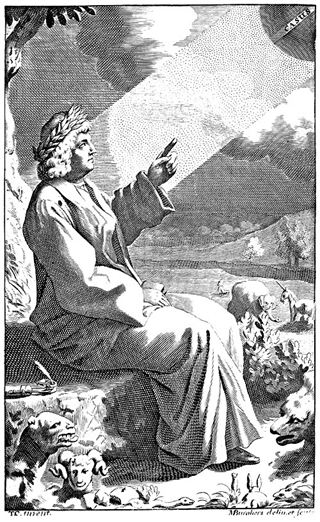
The author in one sentence
I want to free people from fear of the gods and of death by showing that everything is atoms moving in empty space.
Lucretius's view as we would sum it up in their voice. Our summary, not a quotation.
Where Lucretius leans
Spirit or matterVery strong · Matter
Spirit 2%Matter 98%
Facts: subjective or objectiveVery strong · Objective
Subjective 15%Objective 85%
Values: subjective or objectiveLeaning · Objective
Subjective 35%Objective 65%
Free will or determinismStrong · Free will
Free will 75%Determinism 25%
Reason or experienceVery strong · Experience
Reason 10%Experience 90%
Inner life: real, or explained away by the brainBalanced
Mind is real 45%Mind explained away 55%
Life: meaning, or none at allLeaning · No meaning at all
Life has meaning 40%No meaning at all 60%
The good life: pleasure, or virtue and dutyVery strong · Pleasure is the good
Pleasure is the good 85%Virtue and duty 15%
God: exists, or notStrong · God exists
God exists 75%No God 25%
Knowledge: we can know, or suspend judgmentStrong · We can know
We can know 80%Suspend judgment 20%
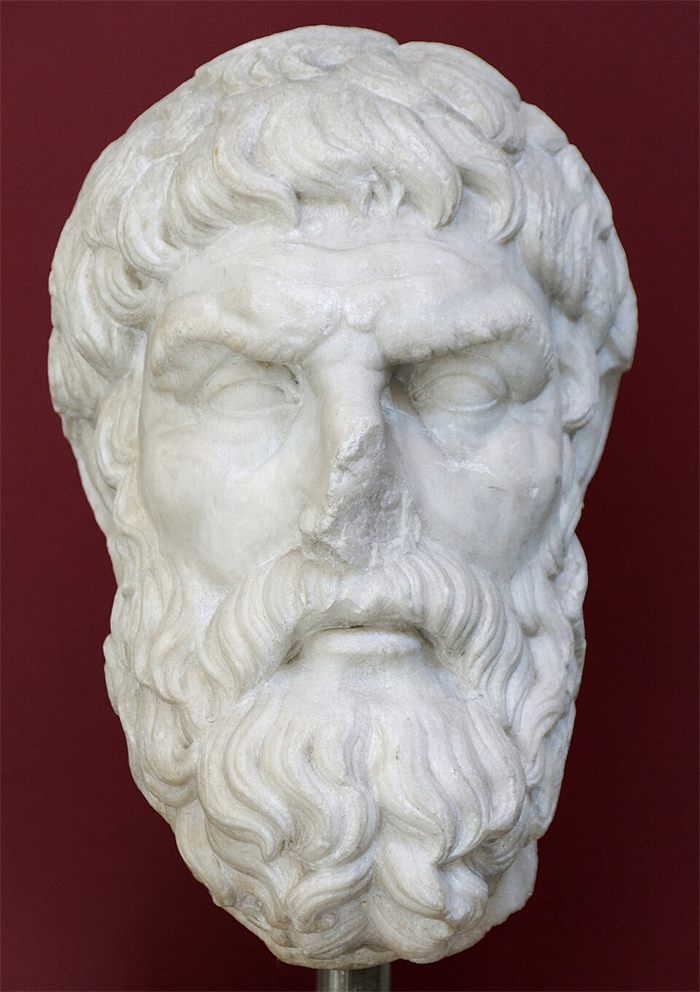
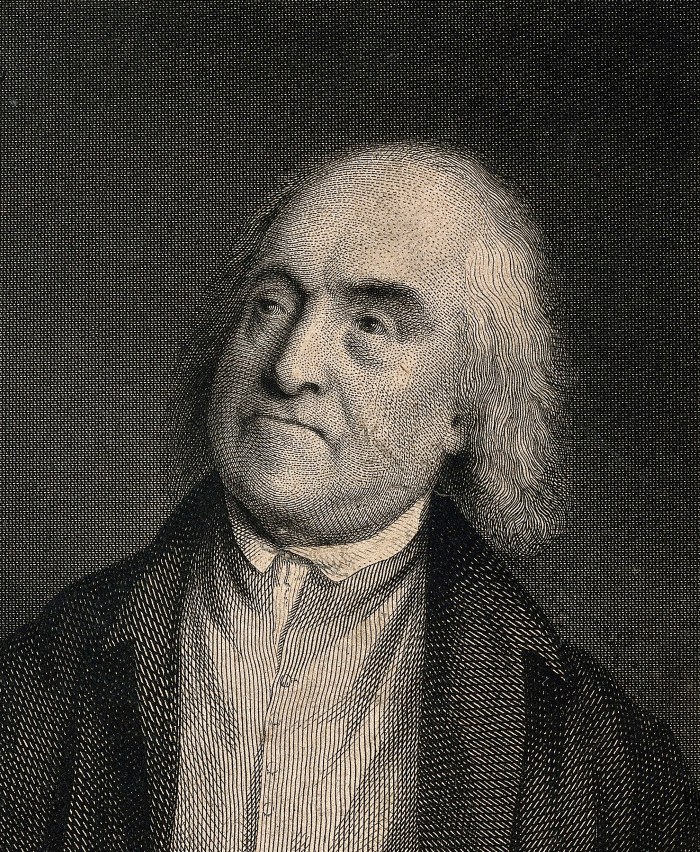

And you, where do you stand?
Take the quiz and see how close you are to Lucretius.
Take the quiz