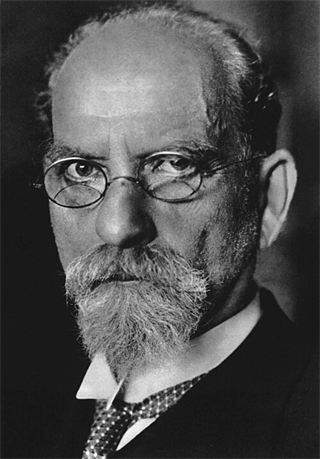
The author in one sentence
I want to return to the things themselves, describing exactly how they appear in my consciousness, to give philosophy a firm foundation.
Edmund Husserl's view as we would sum it up in their voice. Our summary, not a quotation.
Where Edmund Husserl leans
Spirit or matterStrong · Spirit
Spirit 80%Matter 20%
Facts: subjective or objectiveVery strong · Objective
Subjective 10%Objective 90%
Values: subjective or objectiveVery strong · Objective
Subjective 15%Objective 85%
Individual or collectiveLeaning · Collective
Individual 35%Collective 65%
Reason or experienceStrong · Reason
Reason 70%Experience 30%
Inner life: real, or explained away by the brainVery strong · Mind is real
Mind is real 95%Mind explained away 5%
Other minds: surely real, or only my own is sureStrong · Others surely real
Others surely real 80%Only my mind is sure 20%
The way to the highest: own effort, or graceStrong · By my own effort
By my own effort 80%By grace 20%
God: exists, or notStrong · God exists
God exists 80%No God 20%
Universals: real, or only particular thingsVery strong · Universals are real
Universals are real 100%Only particular things 0%
Method: logic and analysis, or lived experienceStrong · Lived experience
Logic and analysis 25%Lived experience 75%
Knowledge: we can know, or suspend judgmentLeaning · We can know
We can know 65%Suspend judgment 35%


And you, where do you stand?
Take the quiz and see how close you are to Edmund Husserl.
Take the quiz